Table of Contents
Creating a private outdoor space is a priority for many homeowners, particularly in residential areas where neighbouring properties overlook gardens and patios.
In Muswell Hill, achieving the right level of privacy can require a careful balance between screening, natural light and the garden’s overall appearance.
Fortunately, effective garden privacy ideas do not have to involve excessively tall fencing or completely enclosing the space.
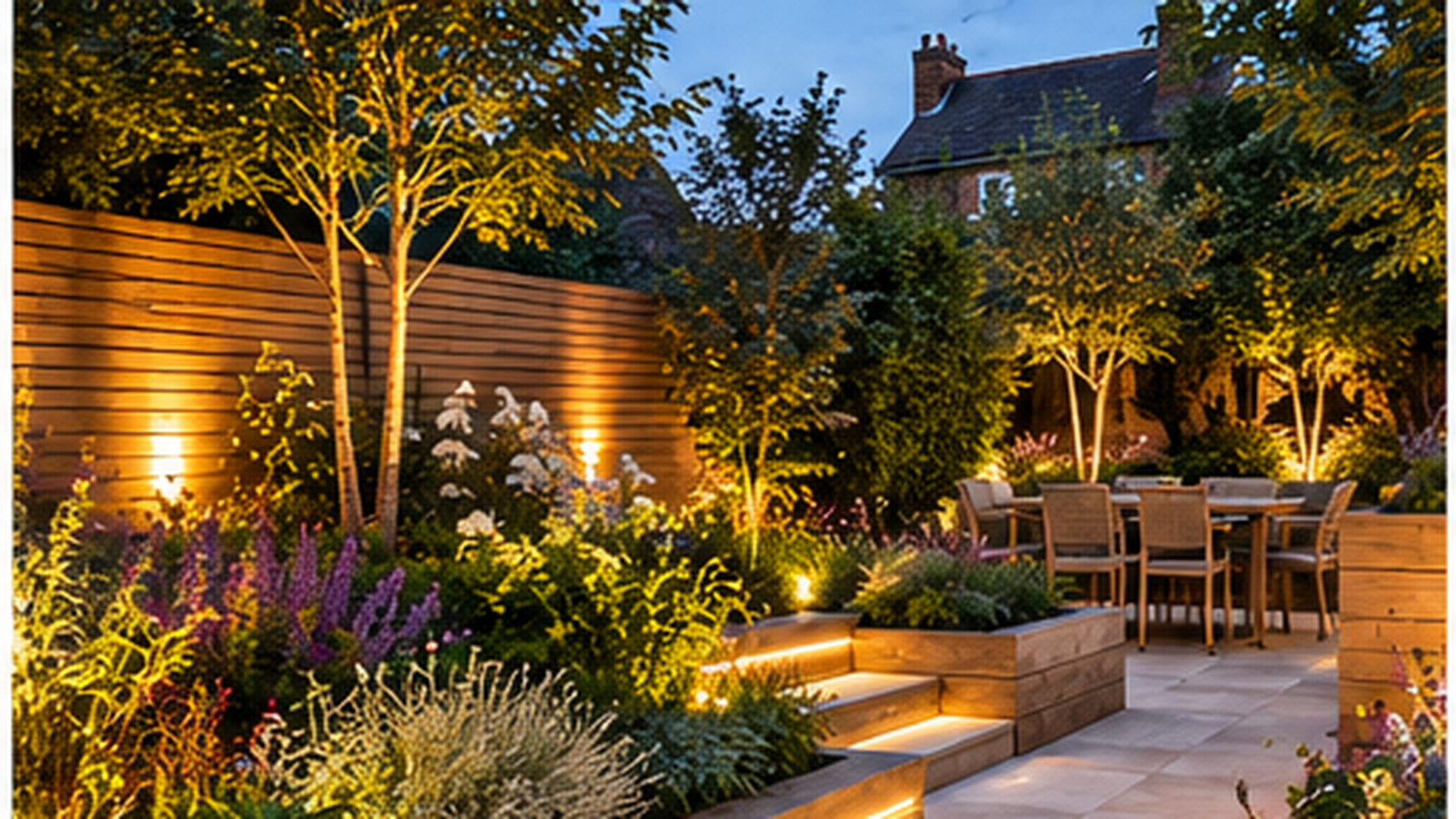
Thoughtfully positioned screening, contemporary fencing and carefully selected planting can create an attractive outdoor environment that feels secluded without losing its natural character.
At Reformed Gardens, we help North London homeowners design outdoor spaces that combine privacy, practicality and beautiful landscaping.
Understanding Privacy Challenges in Muswell Hill Gardens
Every garden has different privacy requirements.
Some properties are overlooked from neighbouring upstairs windows, while others have exposed patios, shared boundaries or seating areas visible from nearby homes.
Sloping gardens can introduce further challenges because neighbouring properties may sit at different heights.
Before choosing fencing or screening, it is important to identify exactly where privacy is needed.
Consider the views into your garden from neighbouring windows, terraces and raised ground.
Also assess privacy while sitting at your outdoor dining table or relaxing on your patio.
In many cases, a carefully positioned screen or planting feature can improve privacy without requiring major changes to every boundary.
1. Contemporary Garden Fencing for Immediate Privacy
Fencing is one of the most direct ways to establish a more private garden.
It can create an attractive backdrop for planting while helping define the boundaries of an outdoor space.
Horizontal Slatted Fencing
Horizontal timber fencing can work particularly well in contemporary gardens.
Its clean lines complement modern patios, raised beds and architectural planting.
However, the gaps between slats may allow views through, so the spacing and construction should reflect the level of privacy required.
Solid Timber Fencing
Solid timber fencing provides more immediate visual screening.
It can be softened with climbing plants, shrubs or planting beds to create a more natural appearance.
Choosing materials and finishes that complement the property helps prevent fencing from becoming visually overwhelming.
Combining Fencing with Planting
A particularly effective approach is to combine practical fencing with carefully positioned planting.
This softens the appearance of boundary structures while adding seasonal interest and greenery.
Before installing or replacing fencing, homeowners should confirm boundary responsibilities and any relevant planning requirements, particularly where conservation restrictions apply.
2. Evergreen Hedging for Natural Year-Round Screening
Evergreen hedging can be an attractive alternative or complement to traditional fencing.
Unlike deciduous plants that lose their leaves during winter, evergreen species can provide consistent screening throughout the year.
However, the right choice depends on growing conditions, available space and the amount of maintenance homeowners are prepared to undertake.
Photinia
Photinia, including suitable varieties of Photinia × fraseri, is valued for its attractive evergreen foliage and colourful new growth.
It may be an option for garden screening where adequate space and appropriate growing conditions are available.
Holly
Holly can provide dense evergreen structure and is useful in some traditional and wildlife-friendly planting schemes.
Plant selection should consider mature height, spread and the practical requirements of the location.
Other Evergreen Shrubs
Depending on soil, light and available space, a designer may recommend suitable varieties of yew, Griselinia or other evergreen shrubs.
The aim is to select plants that provide useful screening without becoming oversized or difficult to manage.
For lasting results, choose privacy planting according to mature growth rather than appearance at the garden centre.
3. Layered Planting for a Softer and More Natural Garden
Not every privacy problem requires a solid barrier.
Layered planting can help interrupt unwanted views while maintaining an open, attractive atmosphere.
This approach combines plants of different heights and textures to create depth.
For example, a landscaped border may include taller shrubs at the rear, medium-height planting in the middle and lower ornamental plants near the front.
The result can feel more natural than a uniform screen.
Layered planting is particularly effective around patios and seating areas, where it can establish separation without closing off the entire garden.
It also provides opportunities to introduce flowering plants, grasses and wildlife-friendly species.
4. Raised Beds and Garden Structures for Targeted Screening
Raised planting beds are useful for more than decorative landscaping.
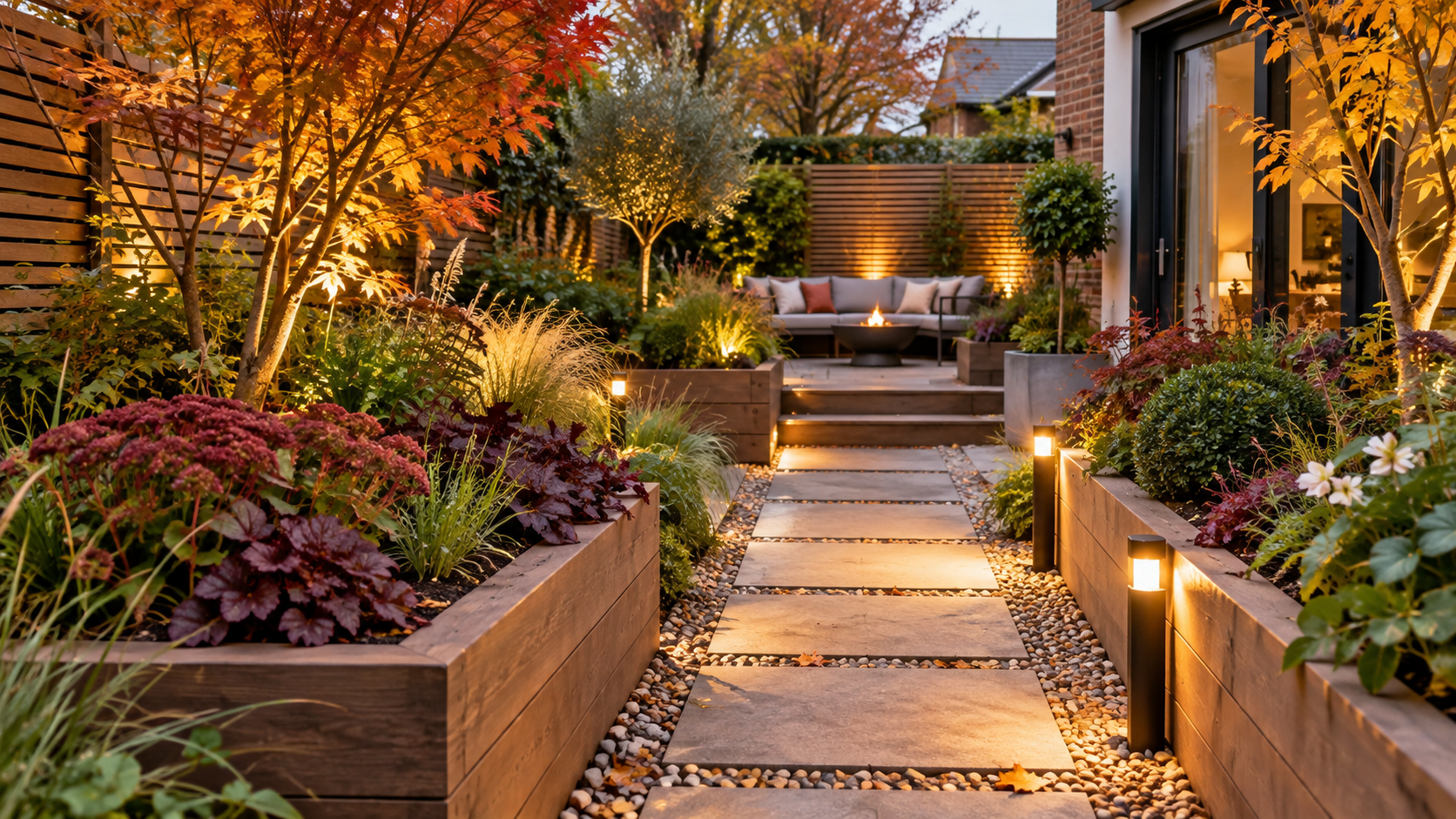
They can increase the effective height of selected plants, helping create privacy around seating areas and patios.
For example, a raised bed positioned behind a garden bench may provide a more comfortable sense of enclosure without requiring a tall boundary fence.
Pergolas and trellis panels can also introduce structure while supporting suitable climbing plants.
These features work particularly well when incorporated into the wider garden design.
Reformed Gardens offers bespoke garden design and landscaping services that help homeowners combine planting, screening and garden features into one coordinated layout.
5. Keeping Natural Light in a Private Garden
One common mistake when improving garden privacy is installing screening that blocks too much daylight.
This can make smaller gardens feel enclosed and reduce the light available for planting.
Instead, focus on the areas where privacy is most important.
A seating area may benefit from partial screening, while another part of the garden can remain more open.
Consider how proposed fencing, trees and hedging might affect sunlight throughout the day.
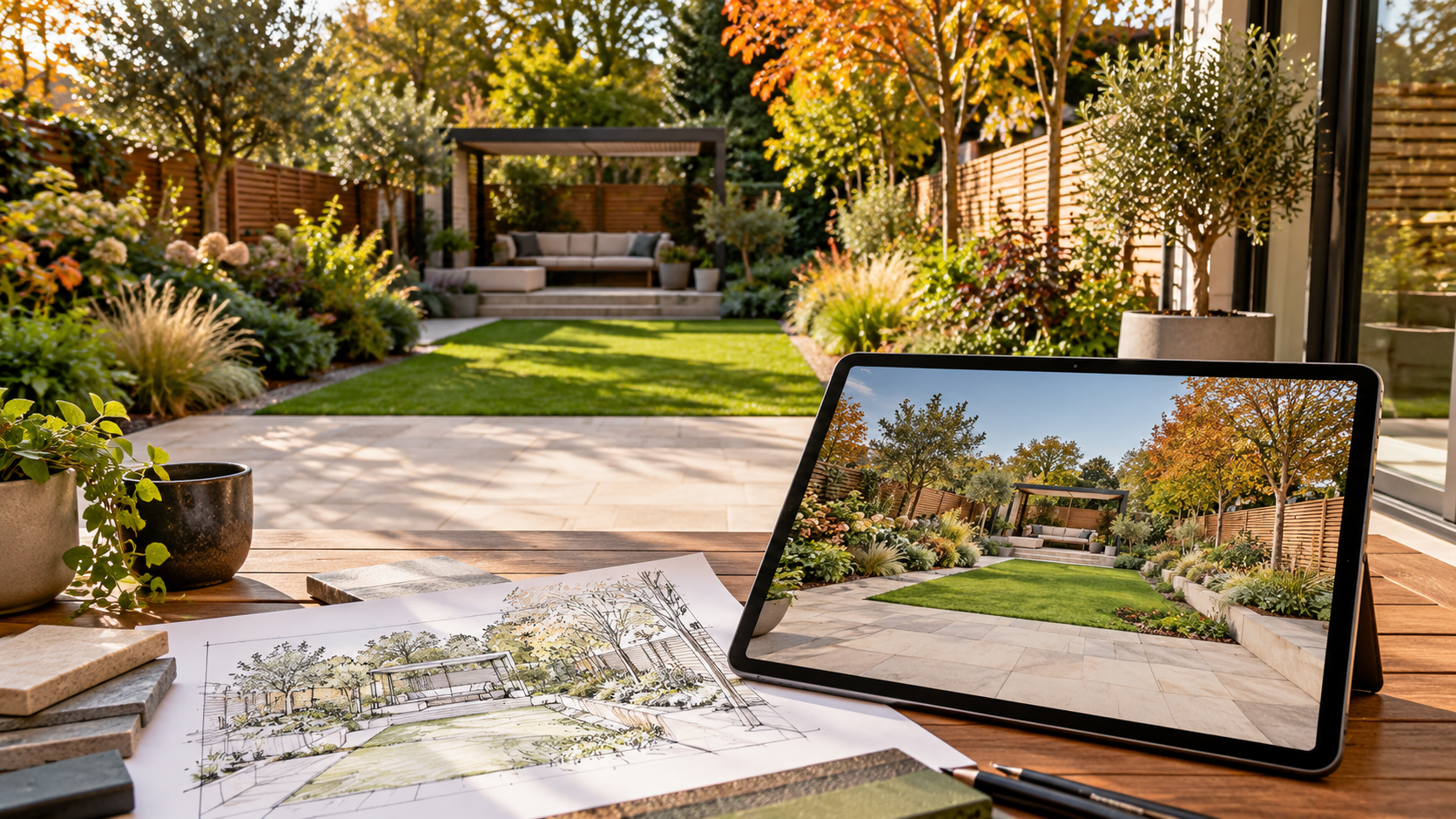
Three-dimensional garden visualisations can help homeowners assess the proportions and appearance of screening before construction begins.
This can be particularly valuable where garden space is limited or neighbouring properties are positioned at different levels.
6. Choosing Privacy Solutions That Work in Winter
Privacy planting needs careful consideration because gardens change considerably across the seasons.
A densely planted border may provide excellent coverage during summer but become much more exposed when deciduous plants lose their leaves.
For areas requiring dependable year-round screening, evergreen plants or permanent structures may be more suitable.
Deciduous trees and flowering plants can then provide additional seasonal interest.
Autumn is a useful period to review existing screening, identify exposed areas and plan planting or landscaping improvements.
Garden Privacy Design in Muswell Hill: A Local Example
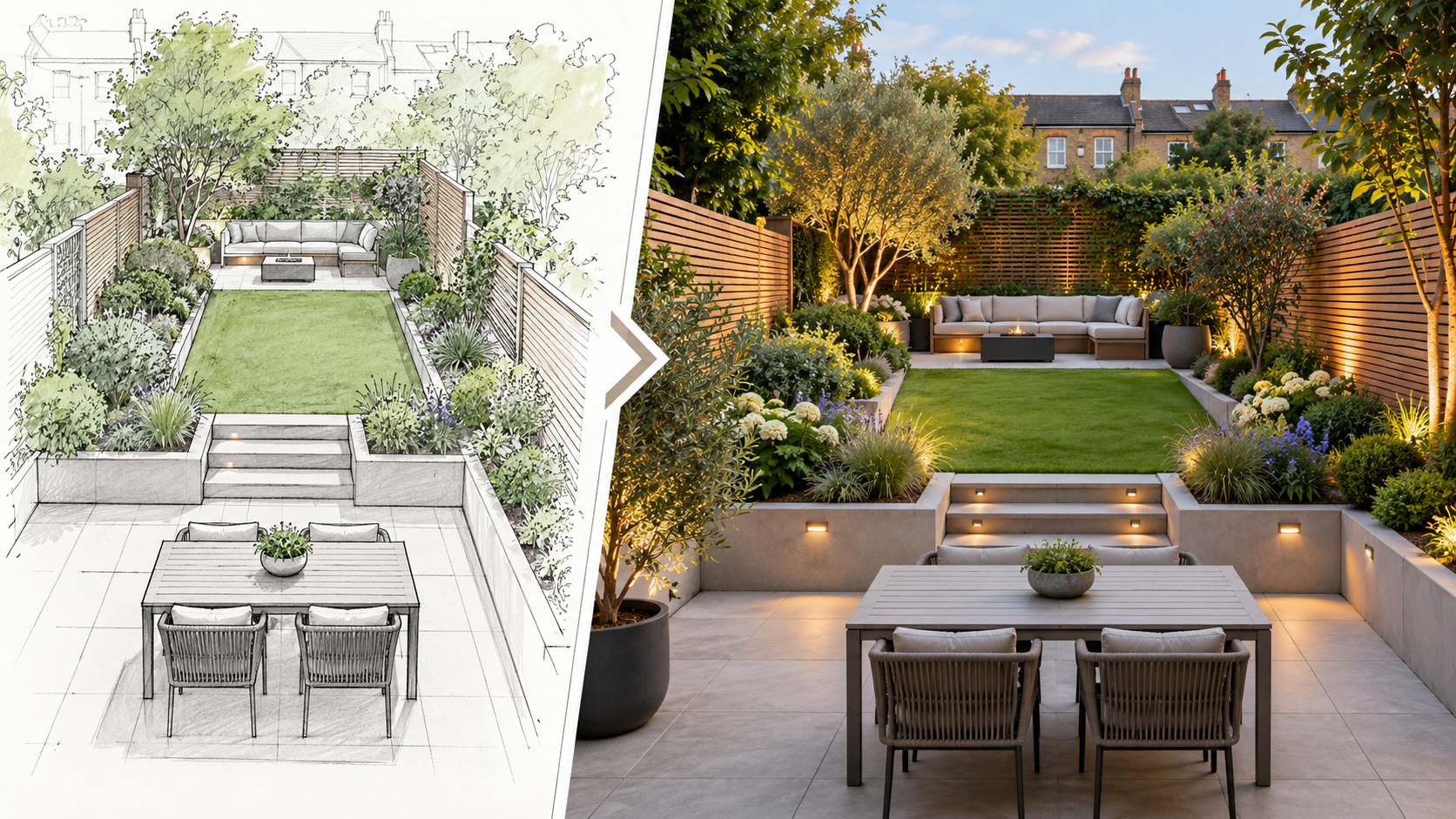
Reformed Gardens has completed a garden transformation in Muswell Hill that demonstrates how privacy can become part of a coordinated landscaping design.
The project included horizontal timber slatted fencing, raised rendered planting beds, a landscaped lawn and a paved terrace.
Rather than treating the boundary separately, the design brought together hard landscaping, planting and screening to create a contemporary outdoor environment.
This type of integrated approach can be particularly effective for homeowners seeking privacy without sacrificing the garden’s overall appearance.
How Much Does Garden Privacy Landscaping Cost?
The cost depends on several factors, including the size of the area, materials, installation complexity and whether additional landscaping is required.
A fencing project may involve removal of existing materials, new posts, groundwork and installation.
Planting schemes may require soil preparation, plant supply, irrigation considerations and ongoing maintenance.
A more comprehensive privacy transformation could also involve raised beds, patios, retaining structures and garden design.
Requesting a site-specific quotation is the most reliable way to establish the likely project cost.
Frequently Asked Questions
What Is the Best Way to Make a Garden More Private?
The best solution depends on the source of overlooking, available space and desired appearance. Fencing, evergreen planting and targeted screening can all be effective.
Which Plants Provide Privacy Throughout Winter?
Suitable evergreen shrubs and hedges can offer year-round cover. Plant choice should account for sunlight, soil conditions, mature growth and maintenance.
Can I Improve Garden Privacy Without Installing a Tall Fence?
Yes. Raised planting beds, strategically positioned shrubs, trellis and selected garden structures can provide targeted screening while maintaining a more open appearance.
Do I Need Planning Permission for Garden Fencing?
Planning requirements depend on factors including fence height, position, nearby highways and any restrictions affecting the property. Check the relevant requirements before installation.
Can Reformed Gardens Design a Complete Privacy Landscaping Scheme?
Yes. Reformed Gardens provides garden design, landscaping, planting and installation services that can be combined to create a coordinated outdoor transformation.
Create a More Private Garden with Reformed Gardens
A private garden should feel welcoming, comfortable and connected to nature.
Whether you are considering new fencing, evergreen screening, raised planting beds or a complete garden redesign, thoughtful landscaping can help you create a space that suits your property and lifestyle.
Reformed Gardens works with homeowners across Muswell Hill, Finchley, Barnet and surrounding North London areas.
Looking to improve privacy in your garden?
Contact Reformed Gardens for a free survey and quotation or call 07467 568886 to discuss your garden privacy and landscaping project.
Ready to Transform Your Outdoor Space?
Choosing the right plants is the first step toward a beautiful, low-maintenance, and resilient London garden. Whether you are looking for Customised Landscaping Solutions for unusual layouts or a complete transformation through our Barnet Comprehensive Garden Works, our Landscaping Contractors are ready to help.
How Reformed Gardens Can Help
We offer comprehensive landscaping services in London, from initial design to full construction. Our experienced team blends creativity with technical expertise to deliver gardens that reflect your lifestyle.
Whether you’re based in Barnet, Mill Hill, or Muswell Hill, our landscape gardeners provide solutions tailored to your space and preferences.
Related Blog: How to Blend Functionality and Aesthetics in Garden Layouts
A garden room is better if you need enclosed space for work, fitness, hobbies or year round use. A pergola is better for shade, dining and summer entertaining.
Yes. A pergola can define an outdoor kitchen area and make it more comfortable for cooking, dining and hosting guests.
Often, yes. Good paving connects the feature to the rest of the garden and makes the space easier to use and maintain.
It depends on the design, but most gardens need seasonal cleaning, pruning, watering while planting establishes and occasional checks on features or structures.
Yes. Reformed Gardens can support garden design, patios, paving, water features, outdoor kitchens, garden rooms and maintenance planning.