Mill Hill gardens often need smart zoning so you can dine, relax, and still keep planting space without the patio taking over.
This guide focuses on practical patio design decisions that improve flow, light, and the feeling of space. It is written for London homeowners who want a premium finish that lasts, and who prefer a clear process over guesswork.
Common pressure points in this topic
Many patio projects in London fail for the same reasons. Not because the idea is wrong, but because the planning and build details are rushed.
Limited width and awkward boundaries that make the garden feel boxed in
-
Poor drainage or water pooling where patio levels are not planned properly
-
Access constraints for materials and waste removal
-
Privacy challenges from neighbouring windows and raised viewpoints
-
Wanting a patio that looks premium without becoming high maintenance

Patio design ideas Mill Hill
A small garden does not need a small patio. It needs a patio that is proportioned correctly and placed strategically, so the eye reads the space as open rather than crowded.
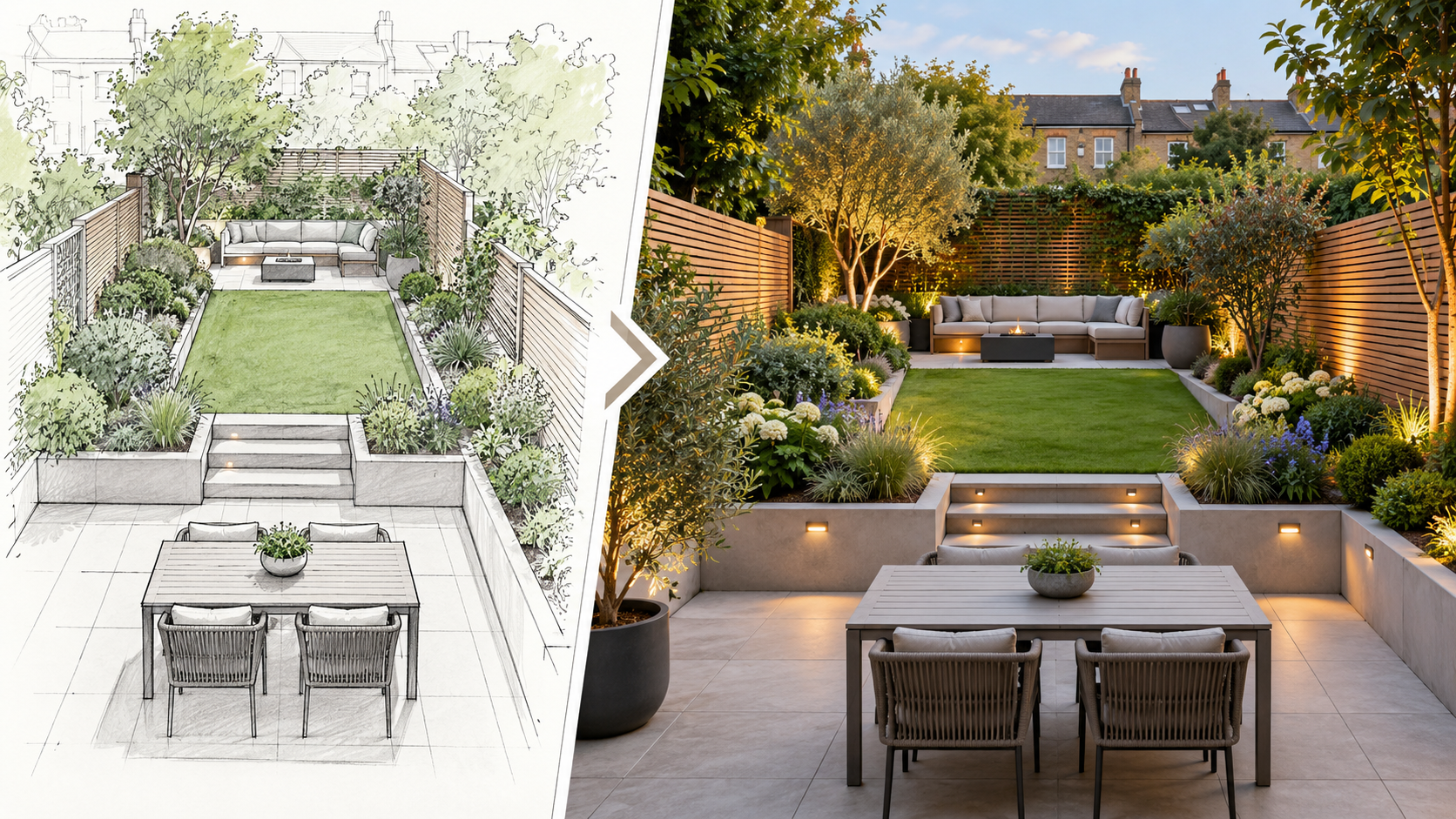
In Mill Hill, many gardens benefit from one clear outdoor living zone near the house, with planting and a secondary feature beyond it. That combination tends to feel calm, functional, and bigger than the same area covered in paving.
Busy families often prioritise safe movement from kitchen to garden, a clear dining spot, and finishes that cope with spillages and weather.
Senior professionals often prioritise a clean design, discreet lighting, premium materials, and a layout that stays tidy without constant upkeep.
Landlords and investors often prioritise durability, drainage, and a finish that photographs well for marketing and viewings.
Key layout choices that make the space feel bigger
Start with the viewing line. In most homes, the main view is through the rear doors, so the patio should sit where it looks intentional from indoors. When you step outside, the route should feel obvious and easy.
Keep levels simple where possible. A single continuous level usually feels longer than multiple changes in height. Where steps are necessary, they should be planned early so you avoid awkward proportions later.
Use zoning with restraint. One main patio plus one secondary feature, such as a gravel seating area or a narrow path to a planting focal point, often beats several separate paved zones.
Choose a shape that helps the garden. A slightly angled edge or a gentle taper can reduce the boxed in feel, especially when boundaries are tight.
Build in seating where it makes sense. A slim bench, a small sleeper edge that doubles as informal seating, or a low wall can save floor area and keep the layout tidy.
Contributor quote from Reformed Gardens, Head Landscaper:
“In a compact garden, the best patio is the one that controls the view. If we can lead the eye beyond the paving with a path or planting, the whole space feels larger and calmer.”
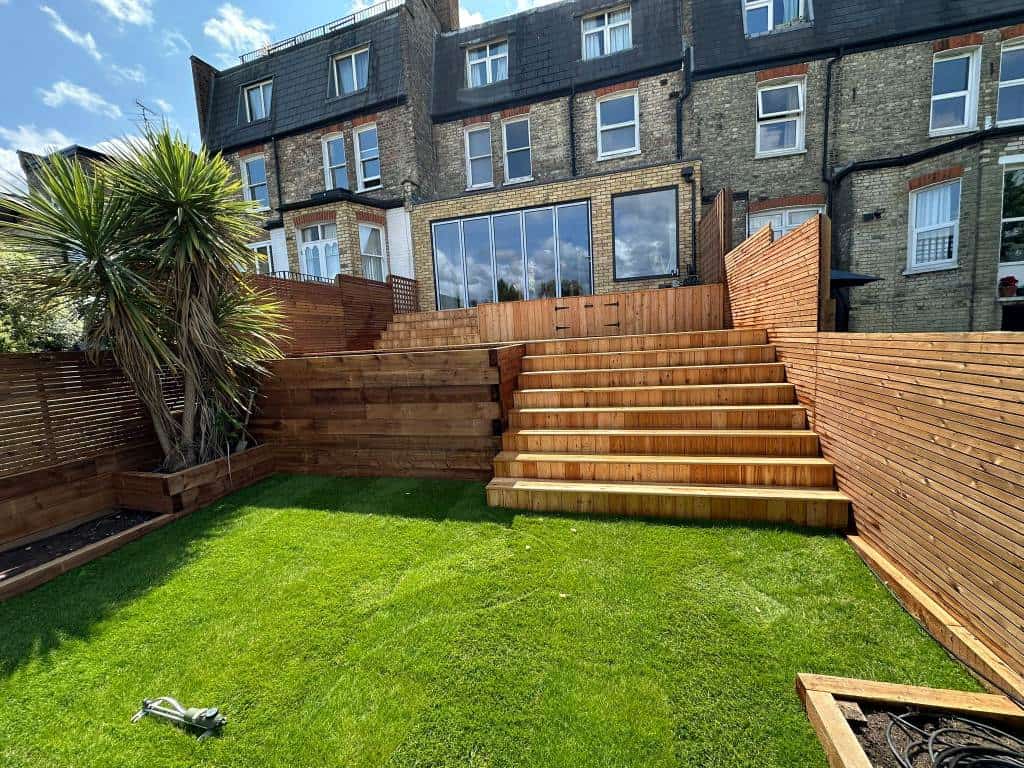
Small garden patio ideas Mill Hill
Small garden patio design works best when you treat the patio as part of the whole garden, not a separate slab. The goal is to balance hard landscaping with planting so the space feels bright, usable, and natural rather than over paved.
Layout ideas that create more perceived space
Large format paving can reduce visual noise from too many joints. This is especially helpful in narrow gardens where the eye picks up every line.
Keep the main route clear, from doors to seating, with enough width for two people to pass comfortably.
Run paving lines in the direction you want to elongate the garden, often away from the house. This is a subtle detail that makes a big difference.
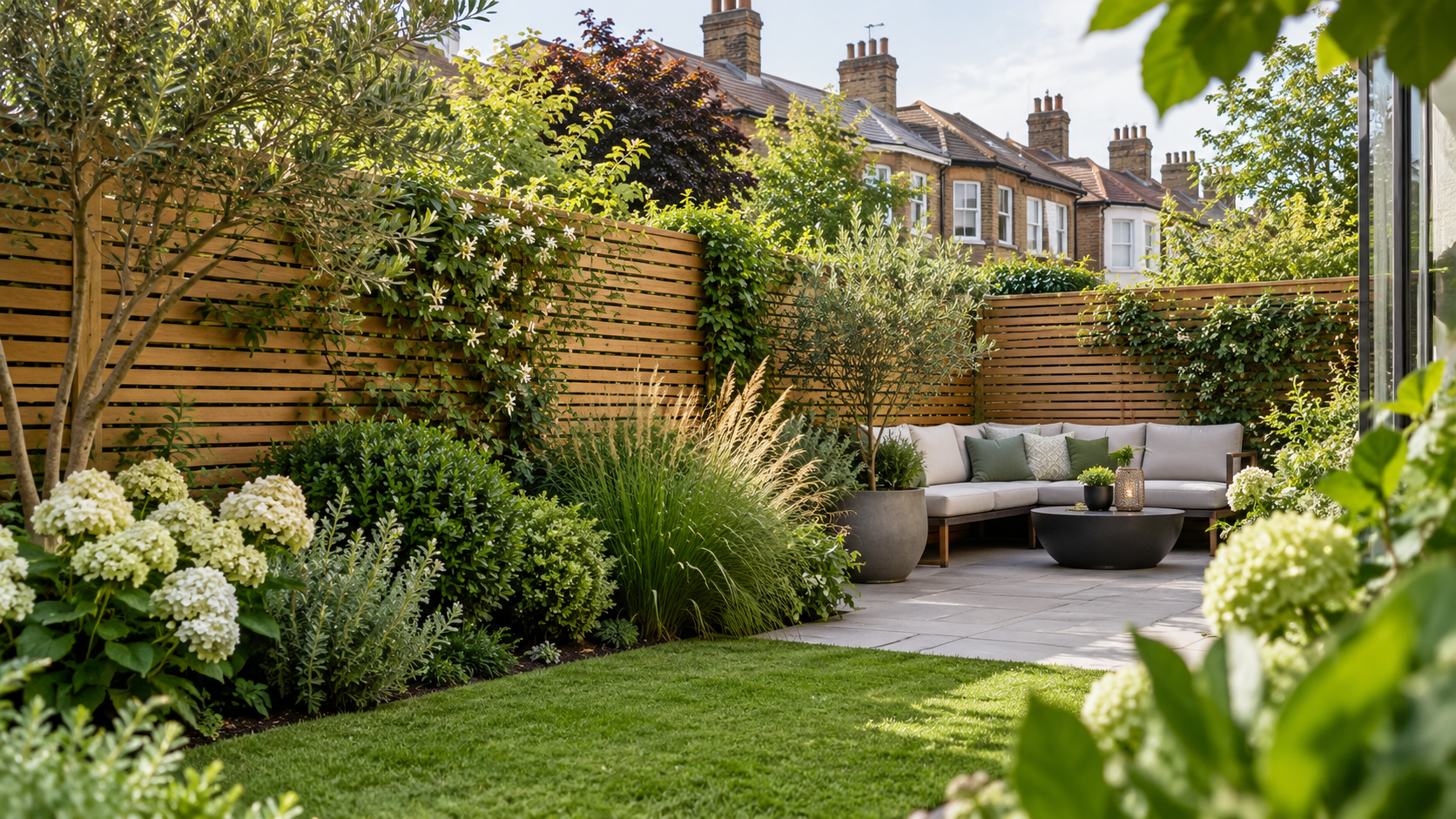
Avoid boxing the patio in with bulky planters on all sides. Soften one edge with planting and keep another edge clean, which lets the space breathe.
Materials and finishes that stay bright and refined
Material choice is not just aesthetic. In London, it affects drainage, slip resistance, staining, and how much cleaning you will actually do.
Porcelain can be a strong option when you want a crisp look and easier maintenance. Many homeowners like stone effect finishes because they read as premium but resist staining and algae better than some porous materials.
Natural stone can look beautiful where you want warmth and texture. It suits period homes well, but it needs careful selection and good jointing, because some stones show weathering quickly in damp or shaded gardens.
Gravel can work brilliantly as a secondary seating area or a transition zone, especially when you want permeability and a softer feel. It needs the right base and edging so it stays in place and does not migrate into planting.
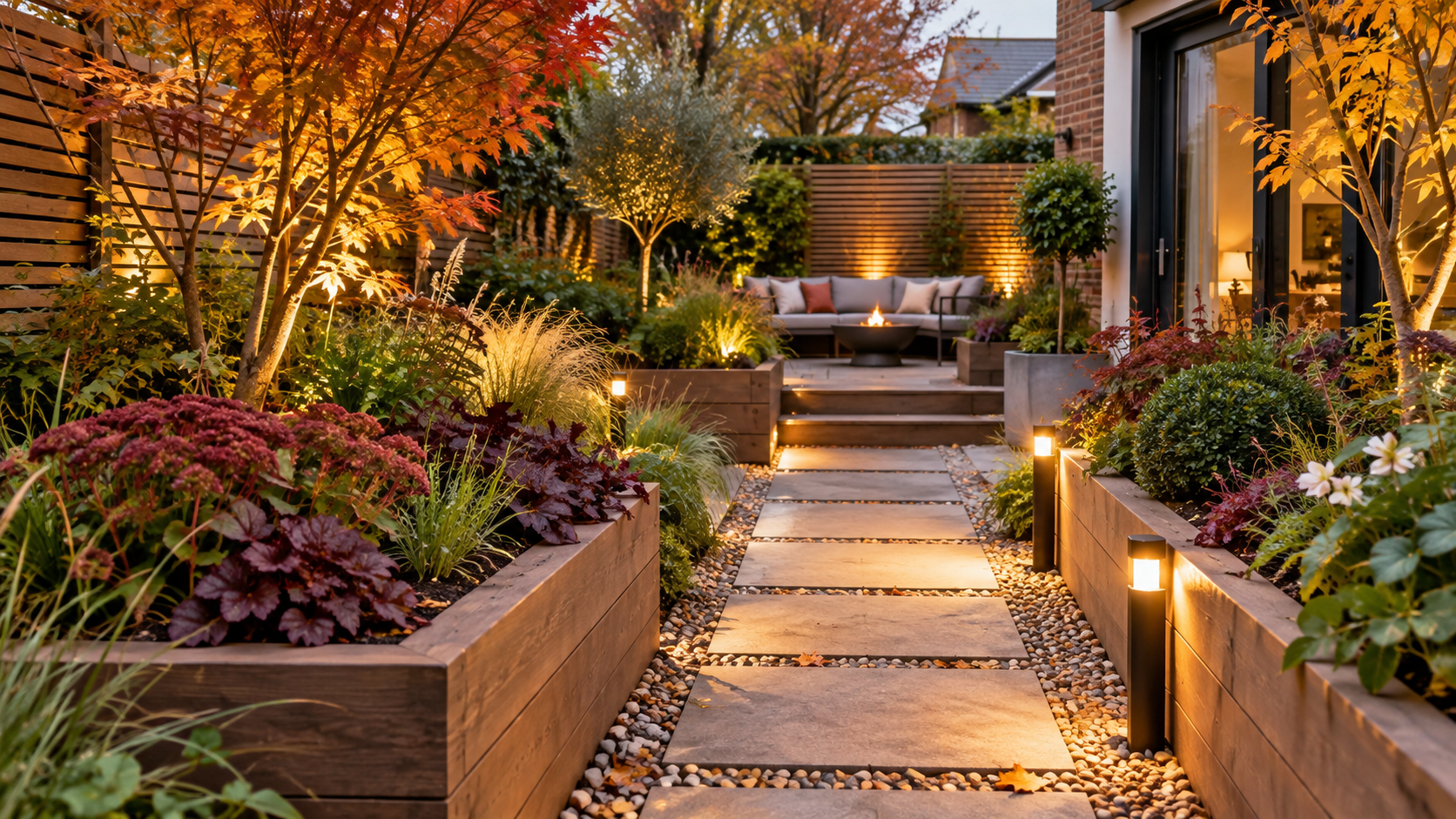
Timber sleepers can add structure without heavy visual weight. They work well for borders, level changes, and simple seating edges, but they must be installed correctly to avoid movement over time.
Contributor quote from Reformed Gardens, Horticultural Specialist:
“A patio should never ignore planting. The best gardens in London use greenery to soften hard lines, support biodiversity, and keep the space feeling alive through every season.”
Lighting and planting that extend the patio visually
Low level lighting along edges and paths makes evenings feel inviting and helps the garden read as longer. It also improves safety without harsh glare.
Layer planting heights. Use lower planting near the patio edge, medium shrubs beyond, and taller screening where privacy is needed.
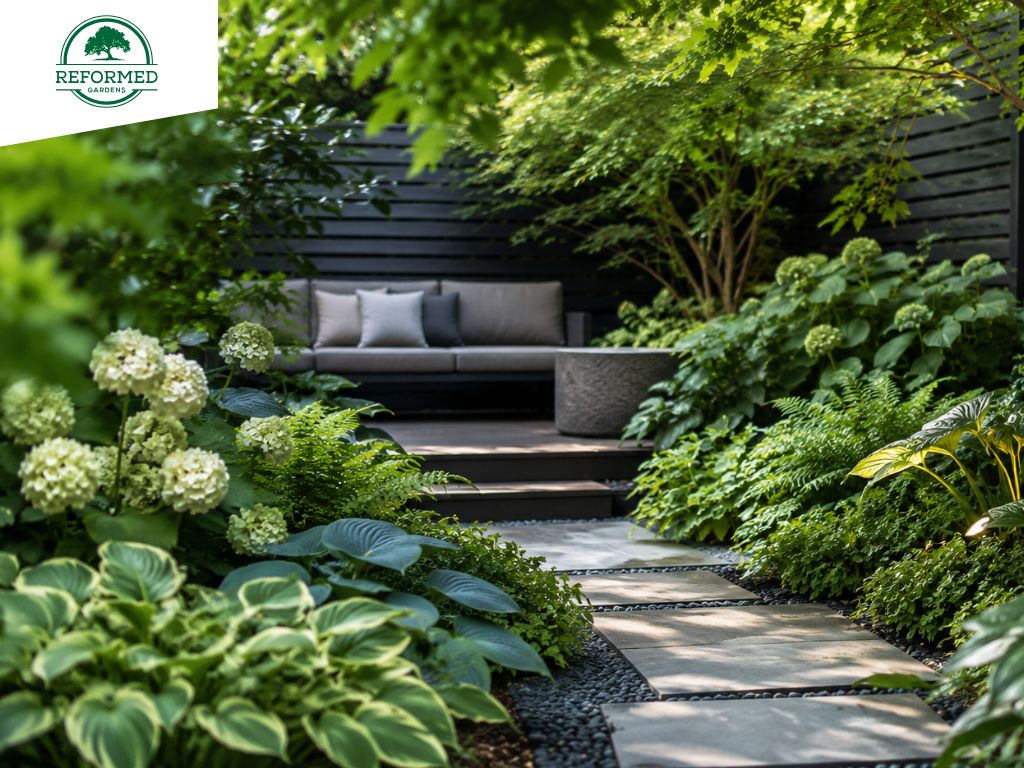
Repeat materials. A small matching path or stepping stones beyond the patio helps the eye travel, which makes the garden feel longer.
Add one focal point. A specimen plant, a simple water feature, or a sculptural planter can pull attention away from boundaries.
Planning properly in London, levels, drainage, and access
If you only take one lesson from this guide, make it this. A great patio is built on invisible decisions.
Site levels and falls
Patios need a planned fall so rainwater runs away from the house and does not pool. In London clay areas, poor falls can quickly become standing water, slippery surfaces, and green staining.
The best approach is to confirm finished levels early, including thresholds at doors, air bricks, and any drainage points. Once levels are set, every other decision becomes easier and more accurate.
Drainage and permeability
Some gardens benefit from permeable design, particularly where water has limited routes to escape or where existing areas already struggle in heavy rain.
Permeable solutions can include gravel zones, permeable jointing systems, and thoughtful borders that absorb runoff rather than pushing it to one low point. The aim is a garden that looks good and behaves well in wet months.
Access and logistics
Mill Hill gardens often have access constraints, especially where side passages are narrow or where the route runs through the home.
Good planning includes confirming how materials will be delivered, where waste will be stored, and how the site will be protected. These details affect cost, programme, and the final finish.
If you want to see the style of finish across different garden sizes, explore Reformed Gardens on Instagram
A practical project example, East Finchley garden transformation
Seeing the process in a real garden makes the value of good planning clearer.
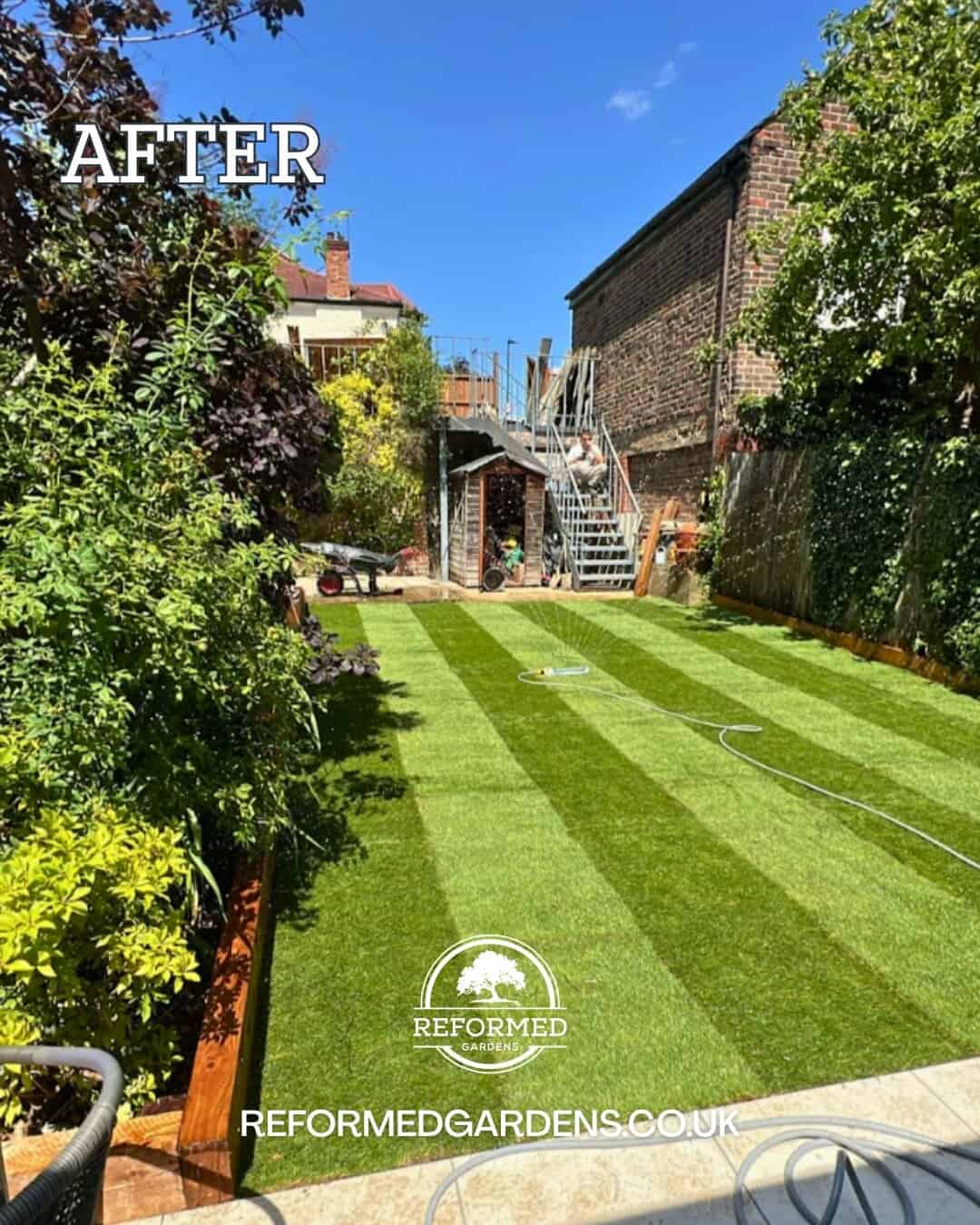
In East Finchley, Reformed Gardens recently transformed Mr Khan’s garden. The old uneven lawn and cluttered base were replaced with a neat, level space that feels fresh and usable.
The work included fresh turf, clean edging, new feather edge fencing, and a gravel seating area. The team completed the build in a week, then finished the space with a sleeper border and a crisp striped lawn ready for summer.
Mr Khan described Reformed Gardens as “very professional at their work”.
This project is a good example of how a garden can feel bigger without adding square metres. The improvement came from level changes, cleaner lines, and better zoning, with materials chosen for both looks and practicality.

Budgeting for a patio and hard landscaping
Homeowners often ask for a price early, but a reliable budget comes from clarity, not guesswork.
What drives cost in real gardens
The biggest cost drivers tend to be ground preparation and site constraints, not the surface material alone.
Groundworks, including excavation depth, base build up, and compaction, are where longevity is decided.
Edging and restraint details matter because they stop movement. They also affect how premium the finish looks.
Drainage and level changes can add complexity, especially where steps or retaining edges are needed.
Access constraints can increase labour time and waste handling.
How to protect budget without downgrading the result
Choose the layout first, then choose the material. The wrong material in the right layout often looks better than the right material in the wrong layout.
Use one premium surface for the main patio, then use complementary materials elsewhere. A gravel seating area or a simple path can add interest without pushing the whole garden into a higher cost bracket.
Decide early on lighting, steps, and built in seating. These are the items that cause late changes and cost drift if left until the end.
Contributor quote from Reformed Gardens, Head Landscaper:
“Most budget surprises come from changes, not from the original plan. When we lock levels, drainage, and edging details early, the build runs smoother and the cost stays predictable.”
Maintenance that keeps the garden looking premium
A patio should be enjoyable, not a weekend job.
Simple maintenance that makes the biggest difference
Sweep regularly in autumn to reduce staining from wet leaves.
Rinse down shaded areas in winter and early spring, when algae growth is most common.
Clean spills early, especially around barbeques and dining zones.
Keep joints in good condition. Failing joints let weeds establish and can lead to movement over time.
Ongoing support from Reformed Gardens
Reformed Gardens supports clients beyond completion, helping protect the long term look and usability of the space. This matters because London gardens change fast, with shade patterns, growth, and weather all affecting how surfaces perform.
Seasonal performance in London, what to expect through the year
London weather tests patios in cycles. A design that works in August must still work in January.
Spring
Spring is when you notice winter wear. This is the best time for a light clean, checking joints, and refreshing planting around edges so the patio feels integrated again.
Summer
Summer is when the patio earns its place. The best layouts include shade options, comfortable circulation from the house, and lighting that extends use into the evening.
Autumn
Leaves and damp are the main issues. Good drainage and a slight fall help surfaces dry faster, reducing staining risk.
Winter
Freeze and thaw cycles are less extreme than some parts of the UK, but winter damp is persistent. Material choice and good installation detail matter most here, particularly on shaded patios.
Next steps
Start with a site visit so levels, drainage routes, and the best patio position can be agreed before design decisions lock in.
Make early selections for surfaces, edging, and any lighting, which improves timelines and cost certainty.
Confirm access routes for delivery and waste removal, which protects the programme and keeps the site tidy.
FAQ
What is the best first step for a patio project in Mill Hill
Book a site visit. Levels, drainage, and the best patio position should be agreed before the design is final, because these decisions affect everything that follows.
How long does a typical patio and landscaping build take
Timescales depend on access, ground preparation, and material lead times. Clear early choices usually keep the programme tight. As a reference point, Reformed Gardens completed a full garden refresh in East Finchley in a week, including turf, fencing, edging, and a gravel seating area.
How can I avoid cost surprises
Ask for a clear scope that includes sub base depth, waste removal, edging details, and any steps or retaining needs. Changes late in the process are the most common cause of budget drift.
What materials are best for low maintenance in London
Porcelain is often chosen for its stain resistance and easier cleaning. Gravel can be excellent for permeability when properly edged. Natural stone can be beautiful, but it needs careful selection and correct jointing to stay looking refined in damp and shaded gardens.
Do I need ongoing maintenance support after installation
Even the best build benefits from seasonal care. Regular sweeping, occasional cleaning, and joint checks protect the finish. Reformed Gardens can advise on simple routines that keep the garden looking premium.