As summer approaches, many Finchley homeowners start to see their gardens with fresh eyes. A patio that felt acceptable through winter can suddenly feel tired, exposed, or poorly connected to the house. What should be a calm outdoor living space can end up feeling like a hard surface with furniture placed on top.
The strongest patio transformations in London are not created by paving alone. They succeed because the whole garden is planned properly. The layout, materials, planting, privacy, maintenance, and future use of the space all need to work together.
This is especially important for patio design ideas Finchley, where many domestic gardens need to serve several purposes at once. A garden may need space for family dining, quiet seating, children, planting, storage, and sometimes a garden room. When these elements are designed as one clear scheme, the result feels more comfortable, more valuable, and much easier to enjoy.
At Reformed Gardens, the focus is on creating bespoke outdoor spaces that are beautiful, functional, and built around the way each client wants to live.
Why Patio Design Matters Before Summer
A well designed patio changes how a garden is used. It gives the outdoor space a clear purpose and creates a natural place for eating, relaxing, entertaining, or enjoying a quiet evening outside.
In many London gardens, the issue is not always lack of space. It is lack of structure. A patio may be too small for proper dining, too large for the proportions of the garden, or placed where it receives uncomfortable sun or feels overlooked by neighbouring properties.
Good patio design begins with use. A family that wants summer dinners outside needs different planning from a homeowner who wants a private seating corner surrounded by planting. A garden with a separate garden room needs clear movement through the space, not a random path added afterwards.
As one Reformed Gardens head landscaper explains, “A patio should feel like an outdoor room. The paving is only one part of it. The real success comes from the layout, privacy, planting, and how naturally the space connects to the house.”
That is why patio design should be considered early, before summer arrives and the garden becomes part of daily life again.
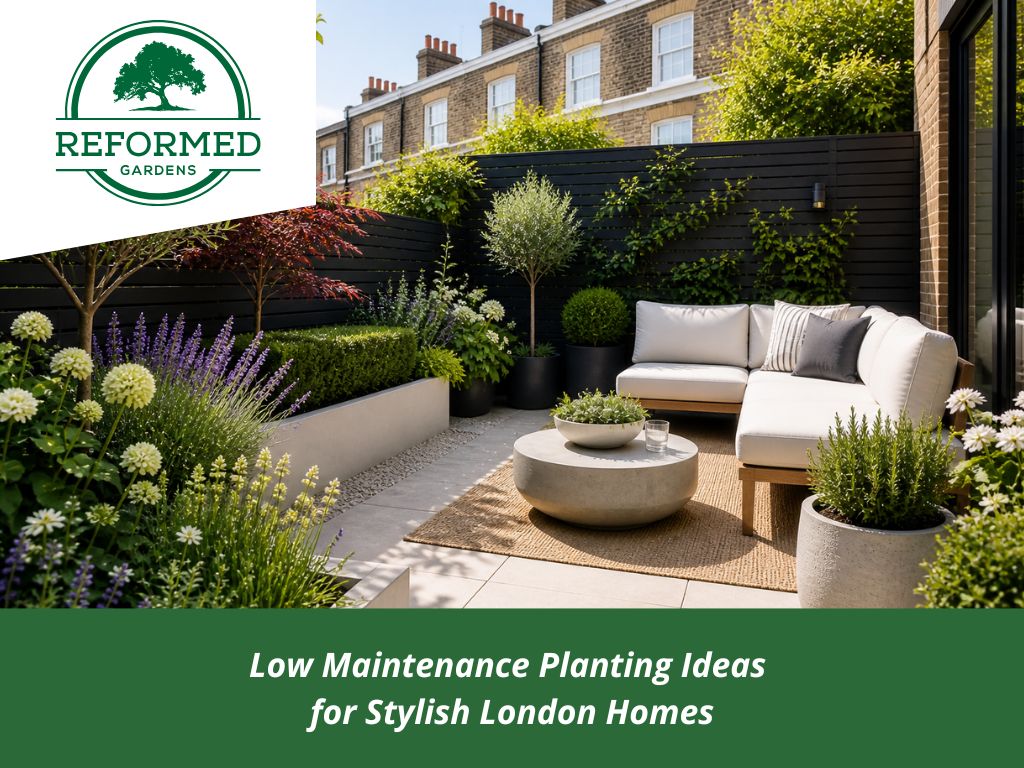
Patio Design Ideas Finchley Homeowners Can Use
The best patio design ideas Finchley homeowners can consider are usually practical rather than complicated. They are about making better decisions at the planning stage so the garden feels comfortable later.
Create A Dining Patio Close To The House
A dining patio near the house is one of the most useful choices for family gardens. It makes outdoor meals easier because the kitchen is close by, and it helps the garden feel like an extension of the home.
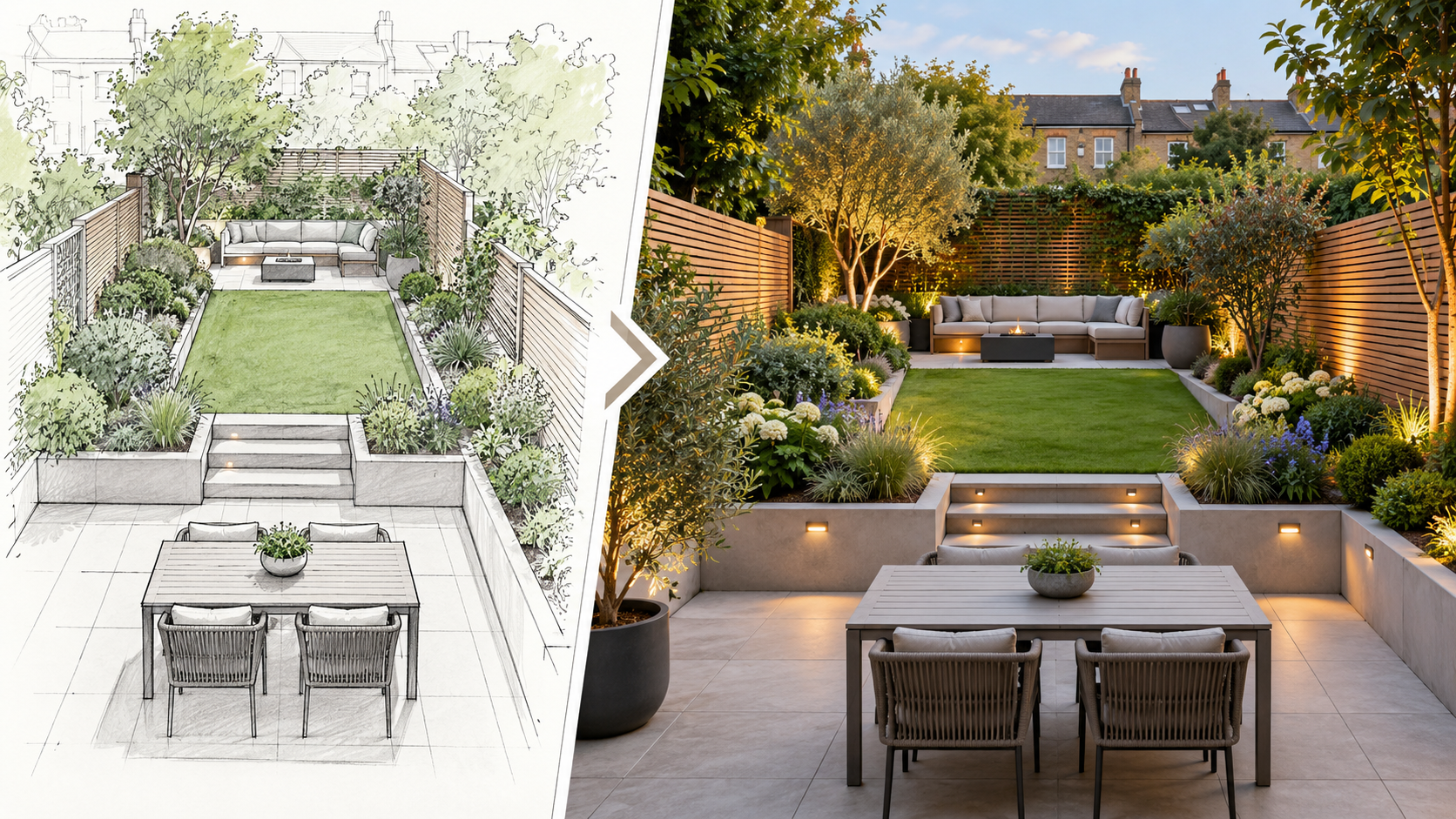
This works especially well when the doors from the house open directly onto the patio. Large format paving, clean edging, and well placed planting can make the transition feel polished and natural.
The key is proportion. The patio needs enough space for a table, chairs, and movement around the furniture. If it is too tight, it will feel awkward. If it is too large, it can dominate the garden and reduce the softness that planting brings.
Add A Quiet Seating Area Further Into The Garden
Not every seating area needs to sit directly outside the house. In some Finchley gardens, a quieter spot further into the garden can make better use of sunlight, privacy, or an attractive view back towards the property.
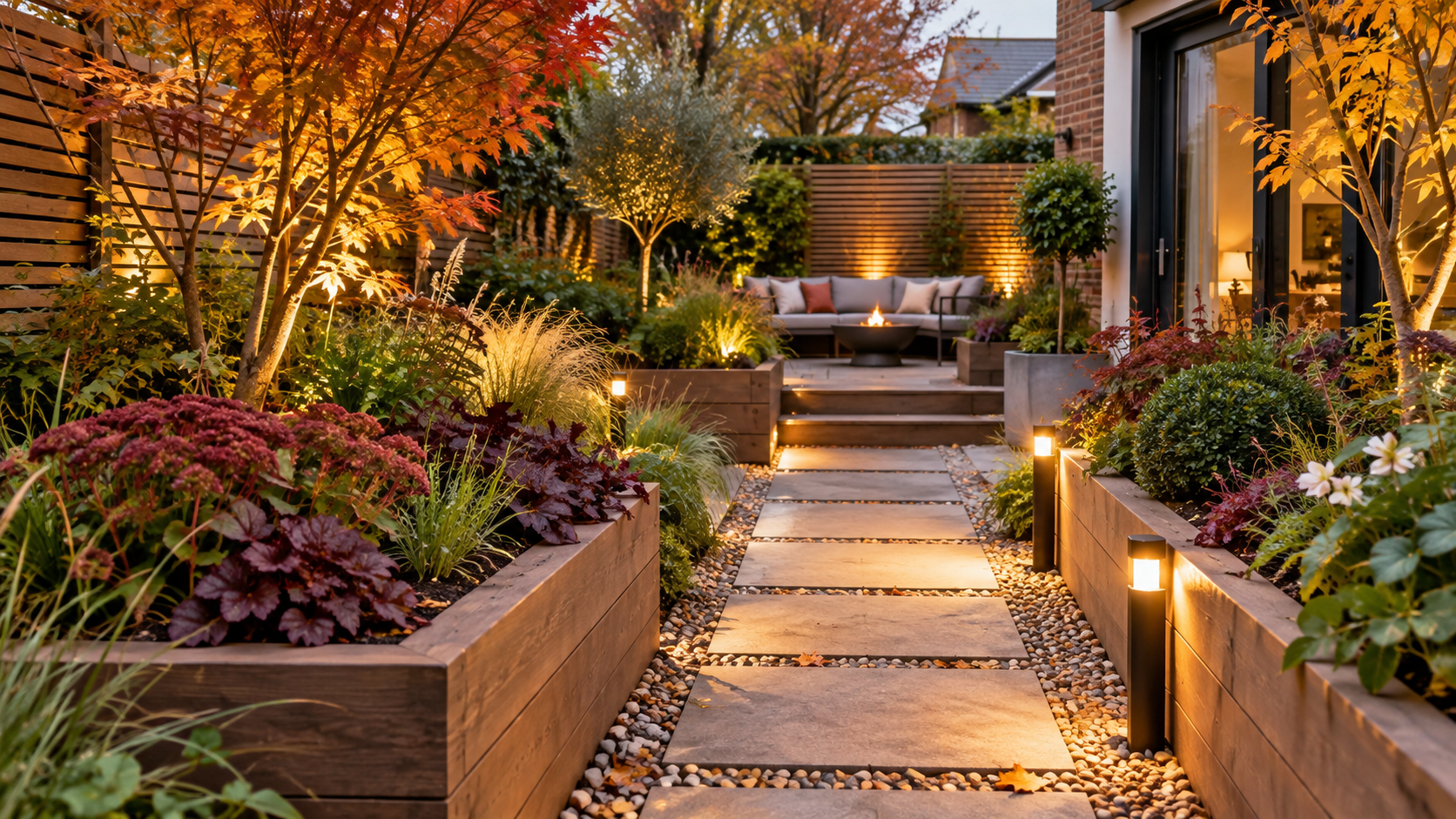
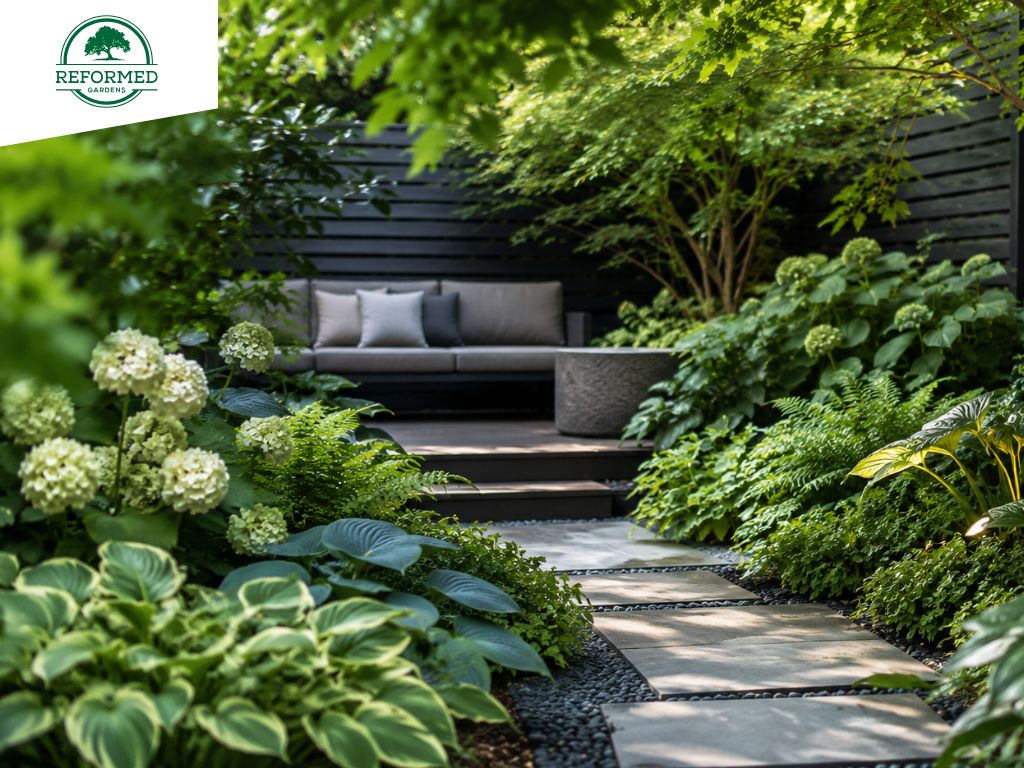
This type of patio works well with gravel, natural stone, or a smaller paved terrace. It can be softened with raised beds, climbers, shrubs, or ornamental grasses.
It is a strong option for homeowners who want a more relaxed space for reading, coffee, or evening drinks.
Connect The Patio To A Garden Room
Garden rooms are increasingly popular in London because they add flexible space for work, exercise, hobbies, or guests. However, a garden room can feel detached if the surrounding landscaping is not considered.
A patio or pathway can help connect the house, garden, and garden room into one coherent layout. A small paved area outside the garden room can create a useful threshold, while planting around the base can soften the structure.
This is where Reformed Gardens’ combination of creative design and practical build delivery becomes important. The garden room, patio, fencing, planting, and access route should feel intentionally planned rather than pieced together.
Planning Privacy, Shade, And Comfort
A patio only works if people feel comfortable using it. In Finchley gardens, privacy is often one of the biggest concerns. Overlooking from neighbouring windows, close boundaries, and narrow garden layouts can make a seating area feel exposed.
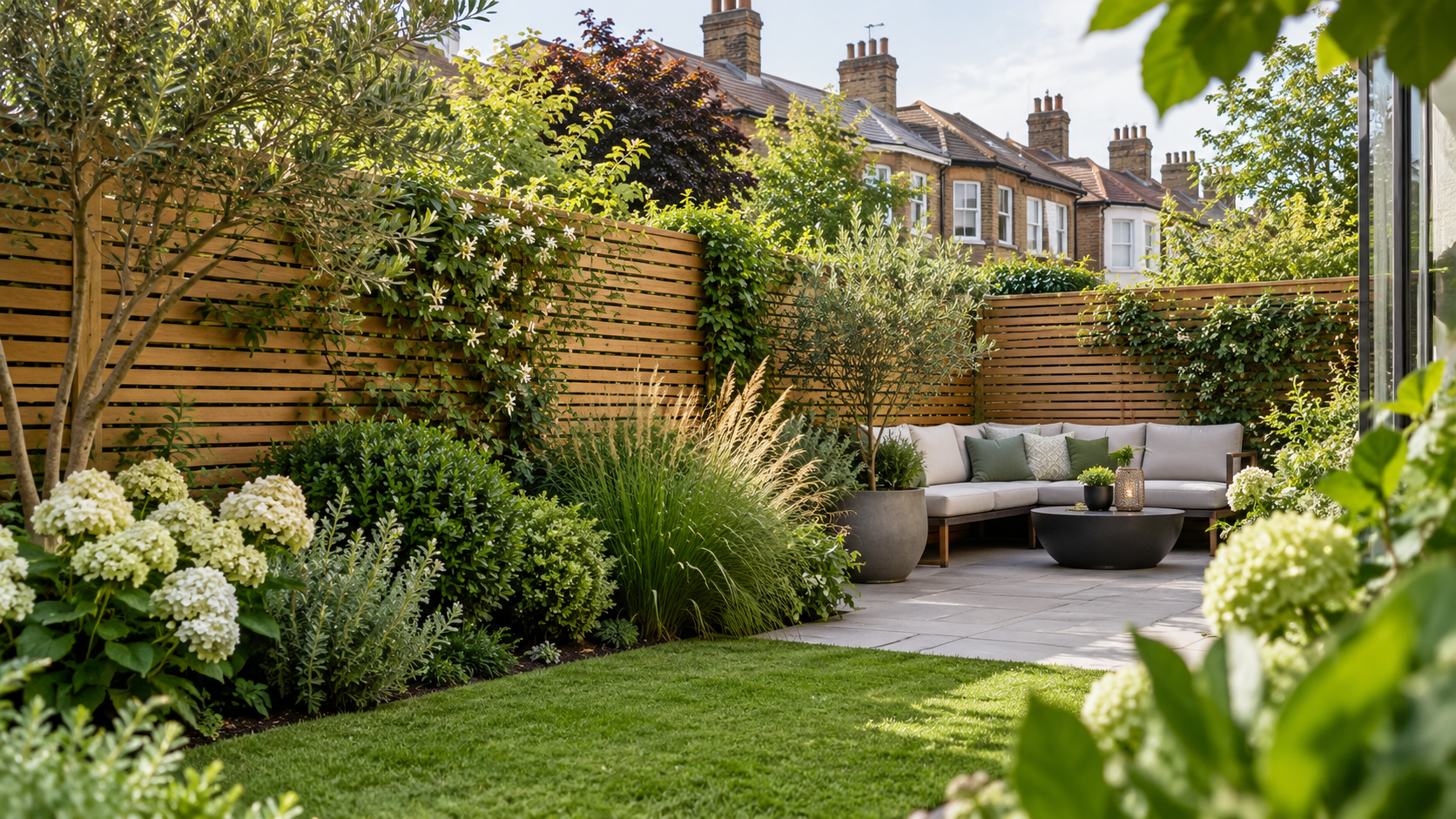
Screening can help, but it should be done carefully. The aim is not to shut the garden in completely. The aim is to protect the main living area while keeping the space light, open, and attractive.
Useful options include:
- Slatted timber screening for a clean contemporary finish.
- Trellis with climbing plants for a softer garden feel.
- Raised planters that combine structure, planting, and privacy.
- Layered boundaries using fencing, shrubs, and seasonal planting.
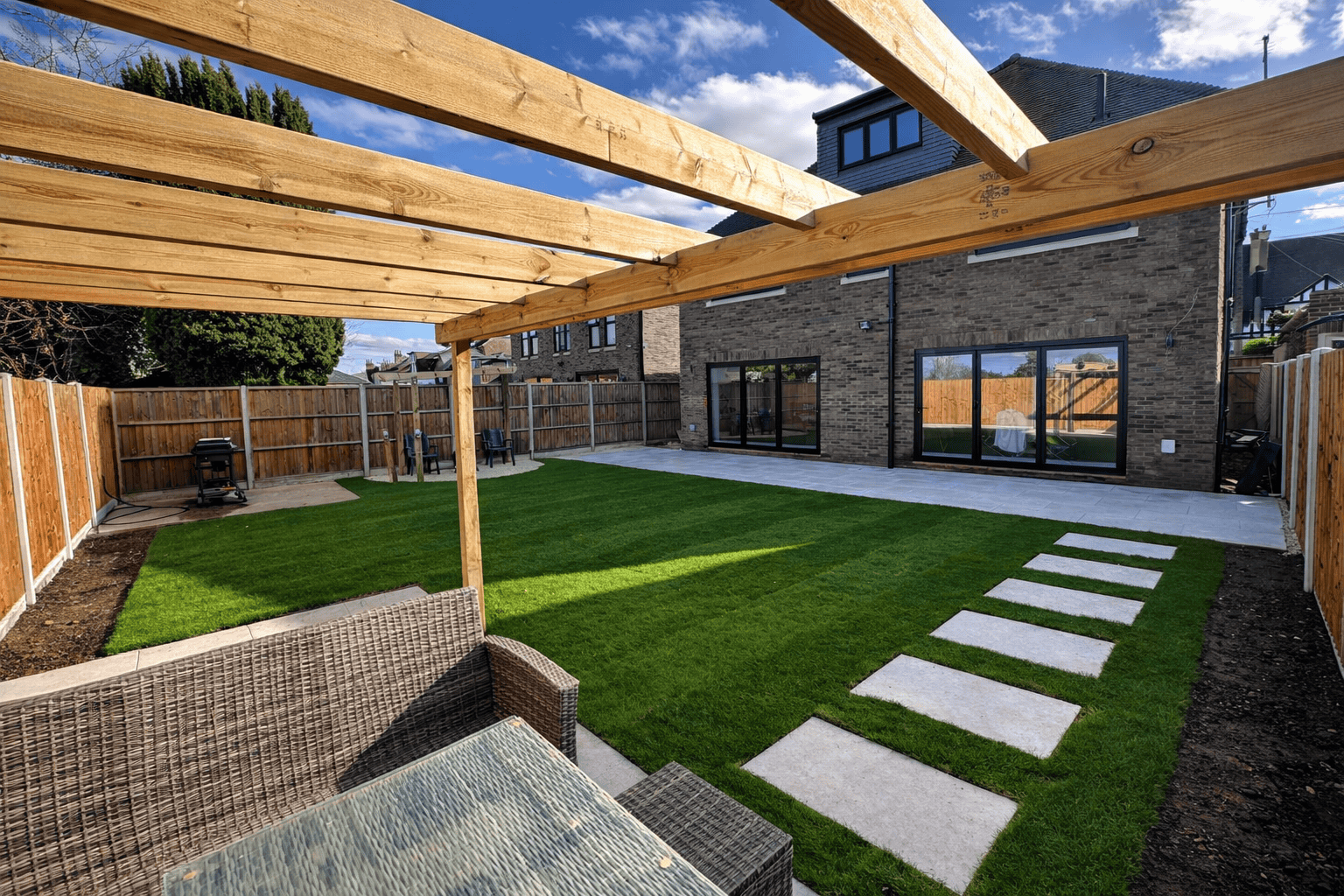
Shade also matters. A patio that receives strong afternoon sun may need a pergola, parasol position, or carefully chosen planting to make it pleasant through summer.
A Reformed Gardens horticultural specialist puts it simply, “Comfort is created through several small decisions. Privacy, shade, planting, and seating position all affect whether a patio is used every day or only occasionally.”
Choosing Patio Materials That Last
Material choice has a direct impact on the look, maintenance, and long term value of the garden.
Porcelain paving is often chosen for modern London patios because it creates a clean finish and is relatively easy to maintain. Natural stone can suit more traditional homes where texture and character are important. Gravel can work well for informal seating areas, especially when it is contained with strong edging.
Timber also has a role to play. It can warm up the design through screens, raised beds, pergolas, or seating. Used carefully, it helps prevent a patio from feeling too hard or cold.
The clearest advice is to avoid using too many materials. In smaller gardens, a controlled palette usually looks more refined. Repeating tones across paving, fencing, edging, and planting containers can make the space feel larger and more considered.
Reformed Gardens also places value on sustainable and responsible choices. The green landscaping approach referenced through the company’s content focuses on materials that last, planting that supports biodiversity, and maintenance routines that keep gardens thriving with realistic effort.
Budgeting For A Patio And Outdoor Living Project
A patio project should be priced around more than the visible surface. The final cost can be affected by ground preparation, levels, drainage, access, material quality, edging, planting, fencing, lighting, waste removal, and the complexity of the layout.
This is where clear planning protects the homeowner. Decisions made late in the project can increase cost or disrupt the finish. A site visit helps identify practical issues before work begins.
Important budgeting considerations include:
- Whether the existing patio or base needs to be removed.
- Whether the garden has uneven levels.
- How drainage will be managed.
- Whether access is simple or restricted.
- Which paving, edging, and timber materials are being used.
- Whether planting, screening, lighting, or a garden room connection is included.
A cheaper patio that ignores drainage, levels, or base preparation can become more expensive over time. A well planned patio should look good when finished and continue to perform through future seasons.
A Finchley Example From Reformed Gardens
A recent East Finchley garden transformation for Mr Khan shows how practical build work and clear design thinking can quickly change the way a garden feels.
The original garden had an uneven lawn and a cluttered base, which limited how the space could be used. Reformed Gardens transformed it into a neat, level garden with fresh turf, clean edging, new feather edge fencing, and a gravel seating area. The team also added a sleeper border and finished the lawn with crisp stripes ready for summer.
The work was completed in a week, and the client described Reformed Gardens as “very professional at their work”.
This project is a useful example because it shows that a garden transformation does not always need to be overly complex. Strong levels, tidy boundaries, a clear seating area, and a smart finish can make a garden feel much more usable.
More examples of small garden upgrades and bespoke transformations can be seen on the Reformed Gardens Instagram page.
Maintenance After Installation
A patio and outdoor living space should be designed with maintenance in mind from the beginning.
Even the best garden can lose impact if the paving becomes stained, planting becomes overgrown, or boundaries are neglected. Ongoing care protects both the appearance and usability of the space.
Good maintenance may include seasonal cleaning, checking joints and edging, pruning plants, refreshing gravel areas, caring for lawns, and adjusting planting as the garden matures.
This is another reason to choose a company that understands both landscaping and horticulture. Reformed Gardens can support homeowners beyond the initial build, helping the garden continue to look considered rather than unfinished after the first season.
Final Thoughts
The best patio design ideas Finchley homeowners can invest in are not simply about choosing attractive paving. They are about creating a complete outdoor living space that feels calm, practical, and ready for summer.
A successful garden transformation in London depends on process. The layout needs to be planned properly. Materials need to be chosen for style and durability. Privacy, shade, planting, and drainage need to be considered before work begins. Maintenance needs to be realistic, not treated as an afterthought.
Reformed Gardens brings these elements together through bespoke design, practical landscaping, careful communication, and high standards of workmanship. Whether you want a new patio, a garden room setting, a refreshed seating area, or a complete garden transformation, the right approach can turn your outdoor space into somewhere you genuinely want to spend time.
You can Read more blogs for further ideas and inspiration from Reformed Gardens.
FAQ
What is the best patio design for a Finchley garden?
The best patio design depends on how you want to use the garden. A dining patio near the house works well for family meals, while a quieter seating area further into the garden may be better for relaxation. Privacy, sunlight, drainage, and garden size should all guide the design.
Can Reformed Gardens design a patio around a garden room?
Yes. A patio can be planned to connect the house, garden, and garden room so the whole space feels joined together. This can include paving, paths, planting, lighting, and a small terrace outside the garden room.
Which patio materials are easiest to maintain?
Porcelain paving is often a good choice for homeowners who want a clean and lower maintenance finish. Natural stone, gravel, and timber can also work well when they are chosen for the right setting and maintained properly.
Why is drainage important for patio design?
Drainage affects how well the patio performs during wet weather. Poor drainage can lead to standing water, staining, movement, or discomfort underfoot. It should be considered before installation begins.
When should I start planning a patio before summer?
Spring is an ideal time to plan a patio project because it allows enough time to confirm the layout, choose materials, organise the work, and prepare the garden before peak summer use.