Table of Contents
For Mill Hill homeowners, the garden is no longer just a lawn at the back of the house. It is a place to relax, entertain, work, exercise and enjoy more comfort at home, especially during the warmer months. In June 2026, many London homeowners are looking for landscaping upgrades that feel beautiful, practical and built for long term use.
Water features and garden buildings Mill Hill are two of the strongest ways to achieve this. A water feature adds sound, movement and calm. A garden building creates useful covered space away from the main house. When planned properly with patios, planting, lighting and boundaries, these features can turn an ordinary outdoor area into a more complete living space.
At Reformed Gardens, the focus is on bespoke gardens, thoughtful planning and high standards of workmanship. The team combines horticultural knowledge with creative design thinking, helping clients create gardens that reflect their vision while remaining practical for London life.
Why Mill Hill Gardens Suit Premium Outdoor Features
Mill Hill has many homes with gardens that can do far more than hold a basic patio and small lawn. Some gardens have depth, others have overlooked boundaries, uneven levels or unused corners. The opportunity is to turn those limitations into a more structured and valuable outdoor space.
A garden building works best when it becomes a destination within the garden. It might be used as a home office, studio, gym, garden lounge or quiet retreat. The key is to make it feel connected to the rest of the garden, not placed in isolation at the end of the plot.
A water feature can then bring atmosphere to the space. It can soften the feel of paving, add movement beside a seating area and create a focal point that can be enjoyed from both the house and the garden.
As a head landscaper at Reformed Gardens explains, “A garden building should feel like part of the whole design. The path, patio, planting and view all matter just as much as the structure itself.”
Planning A Garden Building Mill Hill That Feels Natural
A successful garden building starts with position. It should not block the best view from the house or dominate the garden. It should sit where it supports privacy, comfort and easy access.
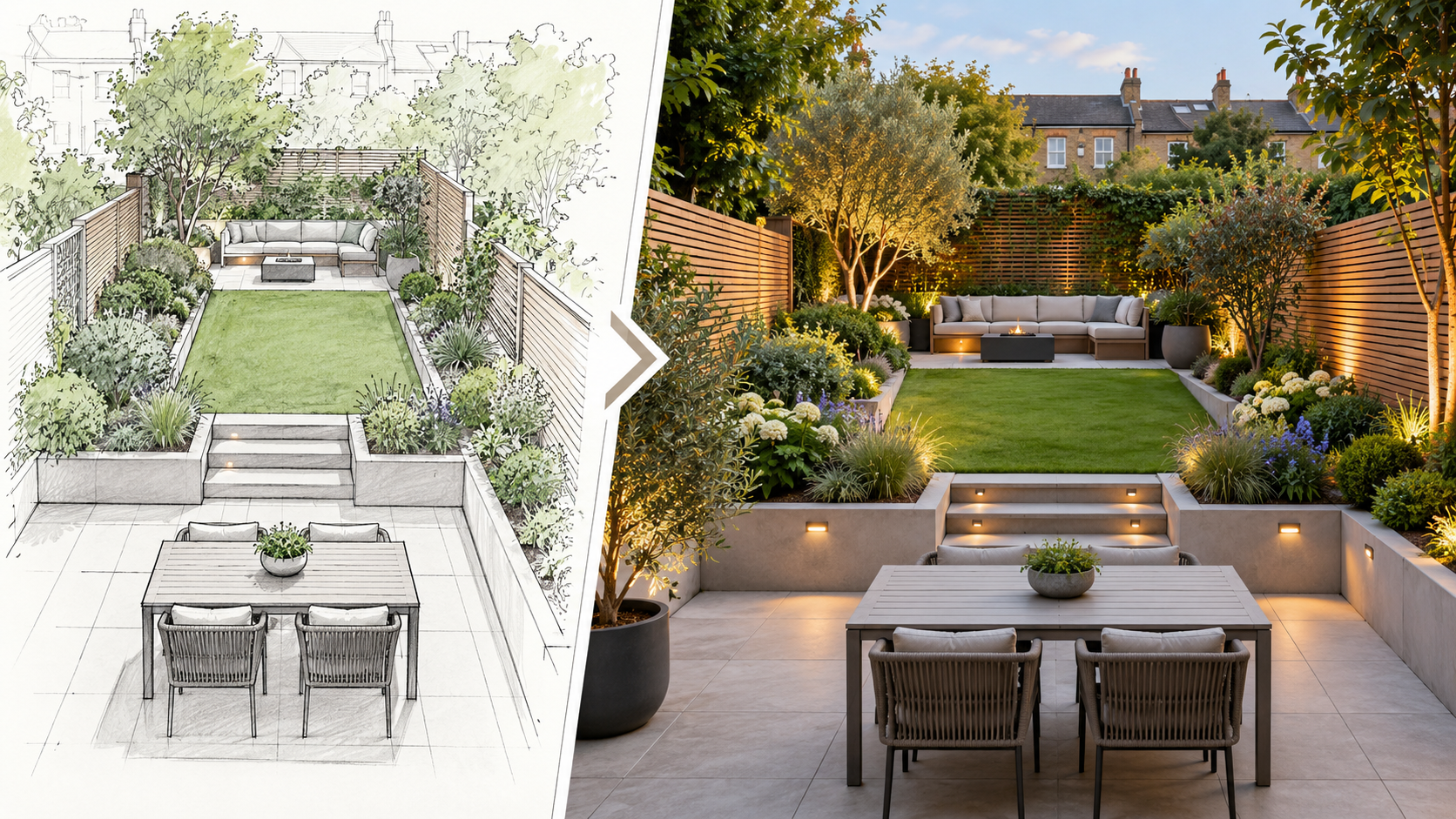
For many Mill Hill homes, a strong layout might include a patio near the house for dining, a pathway through planting and a garden building placed further back as a quieter retreat. This creates a natural journey through the garden and makes the space feel larger.
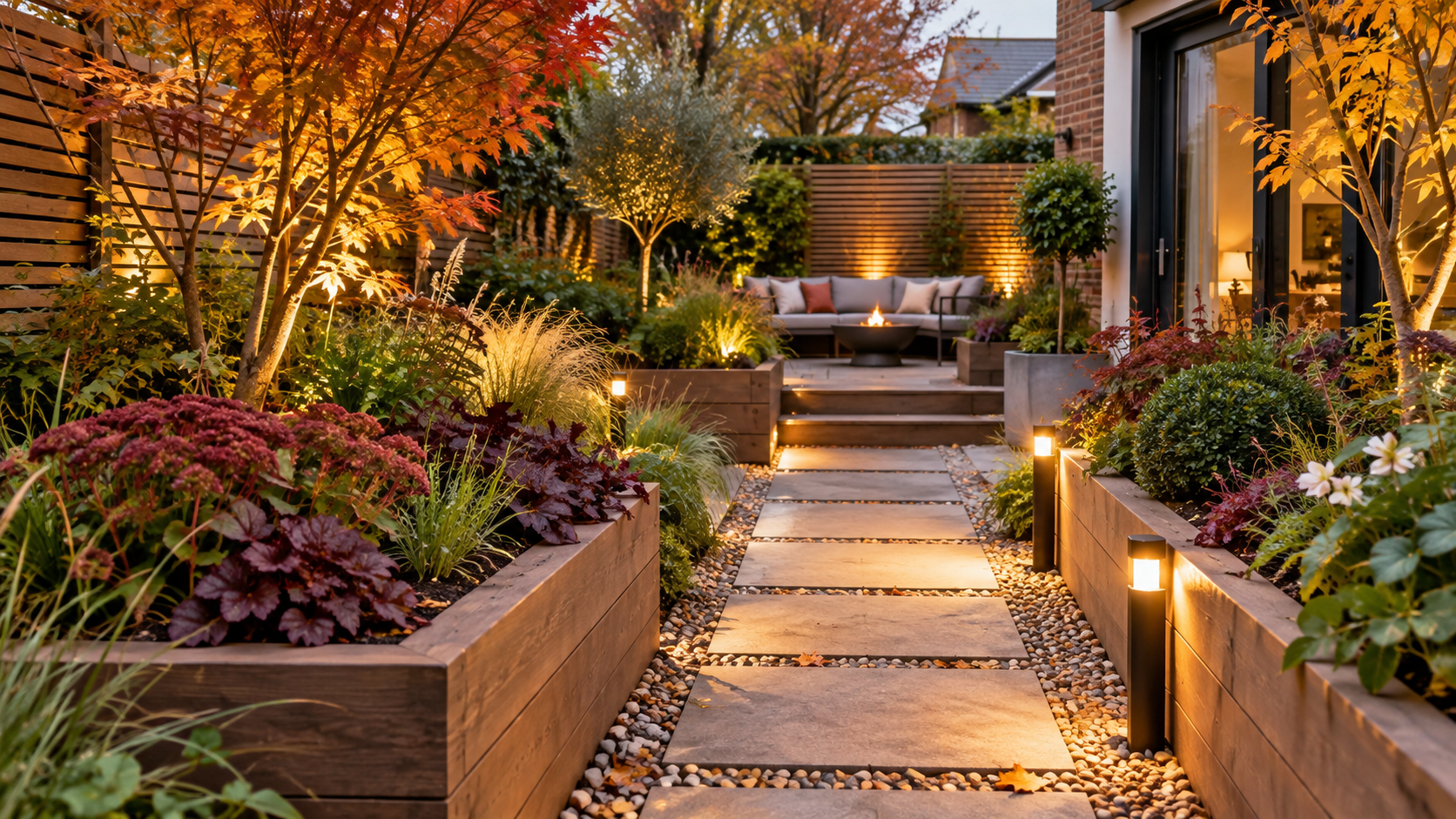
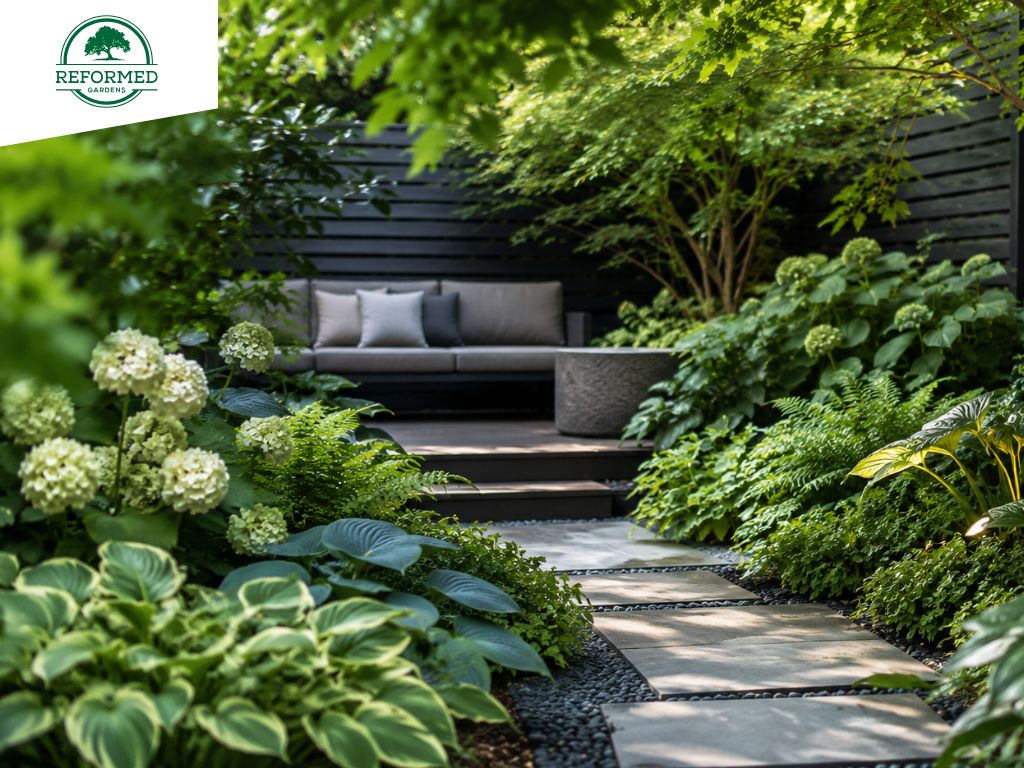
The surrounding details are important. Planting can soften the structure. Lighting can make it usable in the evening. A gravel or paved area outside the entrance can make the building feel finished and comfortable.
Useful garden building ideas include:
- A home office for quieter working days.
- A private gym or wellness room.
- A covered lounge for summer evenings.
- A creative studio or hobby space.
- A family retreat away from the main house.
Choosing The Right Water Feature
Water features should be chosen for scale, sound and maintenance. A compact fountain can work well near a patio. A reflective bowl can add calm to a smaller garden. A small pond can support biodiversity and seasonal planting. A modern blade or cascade feature can suit a more contemporary outdoor space.
The common mistake is choosing a feature because it looks impressive in isolation. In a real London garden, the water feature needs to work with the patio, seating, planting and movement through the space.
A horticultural specialist at Reformed Gardens says, “The best water features are calm, balanced and easy to live with. They should improve the feeling of the garden, not become another maintenance problem.”
This links closely with Reformed Gardens’ sustainable approach. Their green landscaping content on the Instagram page reflects the value of durable materials, biodiversity and simple maintenance that helps a garden thrive with less waste and less unnecessary work.
Patios, Planting And Outdoor Entertaining
A premium garden needs a strong entertaining area. The patio should support dining, seating and everyday use without feeling cramped. It should also connect clearly with the house, garden building and any water feature.
Materials make a major difference. Porcelain paving can create a clean and modern surface. Natural stone brings texture and character. Timber can add warmth around garden buildings, screens and borders. Gravel can work well for informal paths or secondary seating areas.
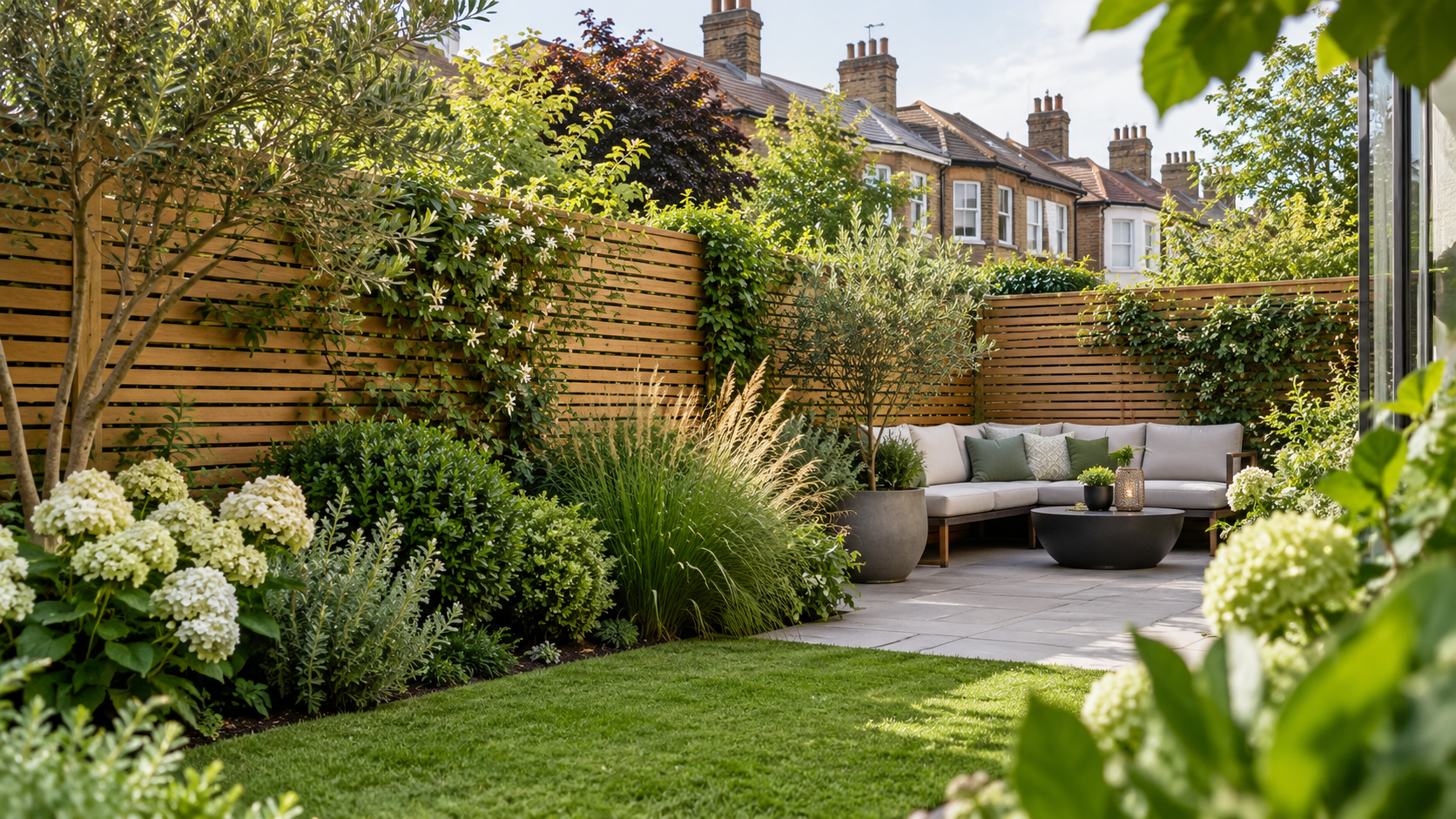
Planting is what makes these materials feel softer and more settled. Evergreen shrubs can provide structure. Ornamental grasses can add movement. Fragrant planting near seating areas can make the garden more enjoyable in summer. Climbers and taller planting can improve privacy around boundaries.
The best Mill Hill garden transformations are not driven by trends. They are driven by process. The design must consider how people sit, move, host guests, maintain the space and use the garden outside peak summer.
Practical Lessons From A Recent Reformed Gardens Project
Reformed Gardens recently transformed Mr Khan’s garden in East Finchley. The original garden had an uneven lawn and cluttered base, which made the space feel tired and difficult to use.
The team levelled the area, installed fresh turf, created clean edging, added new feather edge fencing and formed a gravel seating area. The project was completed in a week and finished with a sleeper border and a crisp striped lawn ready for summer.
Mr Khan described Reformed Gardens as “very professional at their work”.
This project shows why preparation matters. Before adding a garden building or water feature, the basic structure of the garden must be right. Levels, drainage, access, edges, boundaries and seating areas all affect the final result. You can view more completed work on Projects.
Budgeting, Maintenance And Seasonal Performance
Budgeting should begin with the condition of the existing garden. Costs can depend on access, waste removal, drainage, foundations, paving, planting, lighting and feature specification.
Garden buildings may require base preparation, insulation, power, lighting and exterior finishes. Water features may require pumps, filtration, lining, stonework and maintenance access. These hidden details are often what make the finished garden perform properly over time.
Maintenance should also be planned from the start. Patios may need seasonal cleaning. Water features need pump checks and debris removal. Planting needs watering and pruning as it establishes. Garden buildings need occasional exterior checks.
London gardens also face wet winters, shaded corners, clay soils and changing light through the year. A good design should still feel structured in November, not only beautiful in June.
Why Choose Reformed Gardens for Garden Buildings Mill Hill
Reformed Gardens combines creative design with practical landscaping delivery. The team listens carefully, plans around the client’s lifestyle and uses materials with longevity in mind.
From small garden upgrades to fully bespoke transformations, the same care, expertise and attention to detail are applied. That is what helps a garden feel personal, polished and usable, rather than generic.
For more seasonal ideas, visit Read more blogs. To begin planning your own outdoor upgrade in Mill Hill, contact the team for a consultation.
Ready to Transform Your Outdoor Space?
Choosing the right plants is the first step toward a beautiful, low-maintenance, and resilient London garden. Whether you are looking for Customised Landscaping Solutions for unusual layouts or a complete transformation through our Barnet Comprehensive Garden Works, our Landscaping Contractors are ready to help.
How Reformed Gardens Can Help
We offer comprehensive landscaping services in London, from initial design to full construction. Our experienced team blends creativity with technical expertise to deliver gardens that reflect your lifestyle.
Whether you’re based in Barnet, Mill Hill, or Muswell Hill, our landscape gardeners provide solutions tailored to your space and preferences.
Related Blog: How to Blend Functionality and Aesthetics in Garden Layouts
The best patio design depends on how you want to use the garden. A dining patio near the house works well for family meals, while a quieter lounge area can suit evening entertaining and privacy.
Porcelain paving is often a good lower maintenance option for modern patios. Natural stone, gravel and timber can also work well when chosen for the right setting and maintained properly.
Privacy can be improved with slatted screening, trellis, climbing plants, raised planters, shrubs and carefully positioned seating. The aim is to protect the main seating area without closing in the garden.
Drainage affects how well the patio performs during wet weather. Poor drainage can lead to standing water, staining, movement and long term maintenance issues.
Yes. Reformed Gardens can support homeowners beyond the initial build with practical maintenance advice and ongoing care to protect the appearance and usability of the garden.