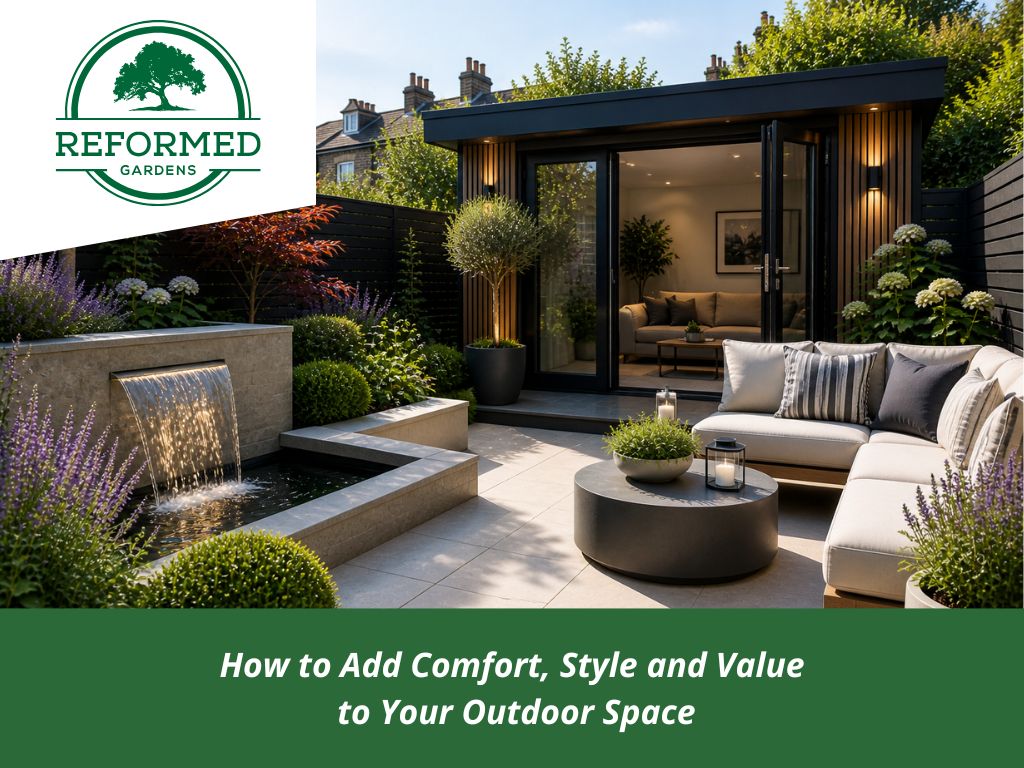
Garden rooms Mill Hill and water features are becoming two of the most effective ways to make a London garden feel more comfortable, more useful and more valuable. In Mill Hill, where many homes have gardens with real potential, these features can help turn an ordinary outdoor space into a calm and practical extension of the home.
The best results do not come from adding a garden room in one corner and a water feature somewhere else. They come from thoughtful planning. A garden room needs to connect naturally with the patio, planting and view from the house. A water feature needs to feel balanced, not oversized or awkward. The whole garden should work as one complete space.
At Reformed Gardens, this is where design and build experience matter. The team creates bespoke gardens that are planned around the client’s lifestyle, the character of the property and the long term performance of the materials used.
Why Garden Rooms Mill Hill Work So Well
A garden room can give a home more breathing space. For some clients, it becomes a quiet office away from the main house. For others, it becomes a studio, gym, guest space, reading room or family retreat. In a busy London household, that separation can be extremely valuable.
The mistake is to treat the garden room as a separate object. A good garden room should feel like part of the garden, not just a structure placed at the end of it. The route to it, the view towards it, the patio around it and the planting beside it all affect how successful it feels.
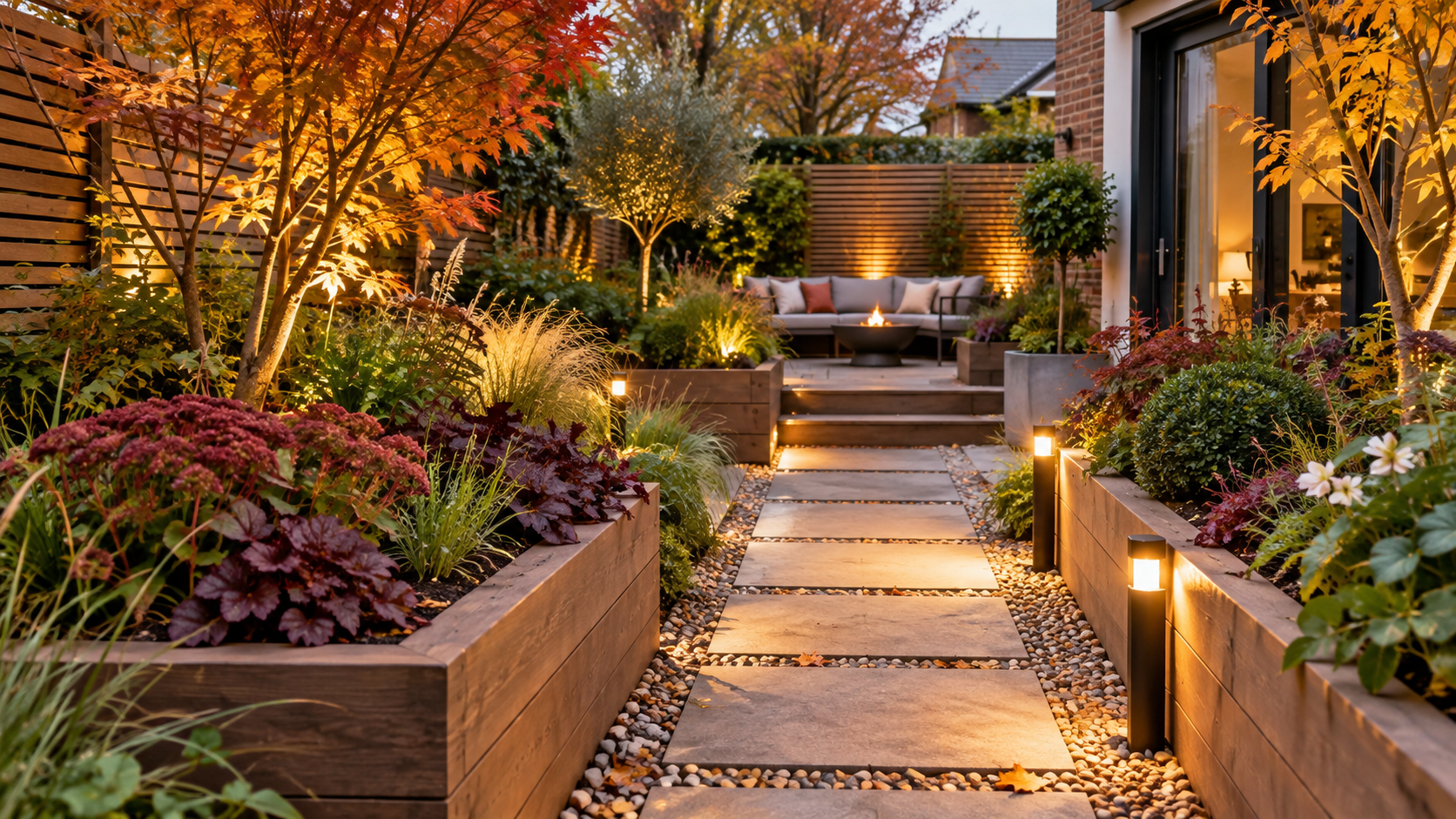
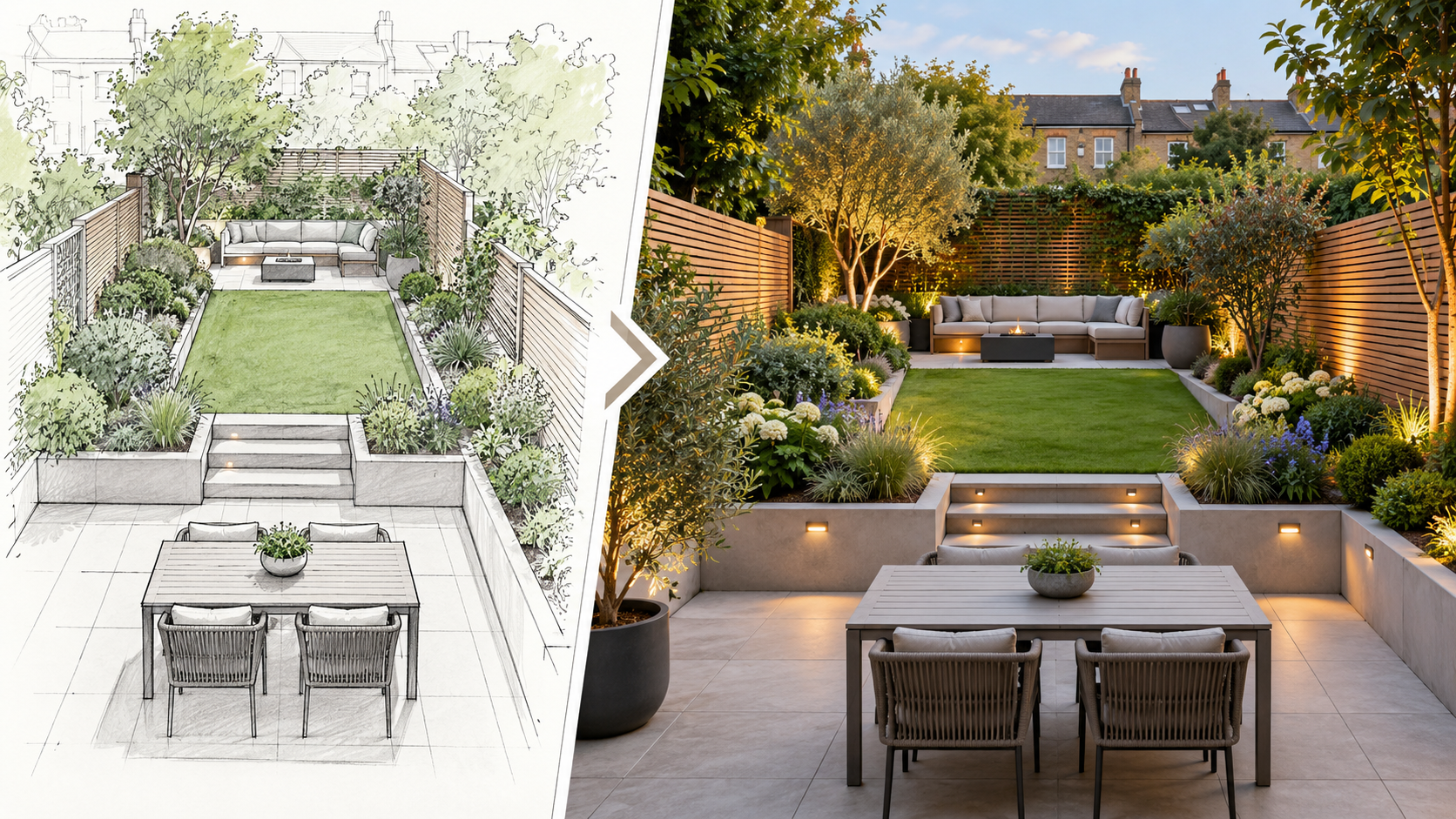
In Mill Hill, many gardens have enough depth to create this kind of outdoor living arrangement. A patio close to the house can support dining and everyday use, while a garden room further back can create a more private destination. Between the two, planting, lighting and pathways can guide the eye and make the whole garden feel larger and more considered.
As a head landscaper at Reformed Gardens explains, “A garden room should never feel detached from the rest of the garden. The most successful designs make the journey to the room feel just as considered as the room itself.”M
Water Features Mill Hill Homeowners Can Use for Atmosphere and Style
Water features can transform the mood of a garden. They add movement, sound and visual interest, which is especially useful in structured London gardens where paving, fencing and building materials can sometimes feel hard.
A small fountain can soften a patio. A reflective feature can make a compact space feel calmer and more spacious. A pond can support wildlife and add seasonal interest. A simple cascade can bring gentle sound to a seating area, helping the garden feel more restful.
The key is proportion. A water feature should suit the scale of the garden. If it is too large, it can dominate the space. If it is too small or poorly placed, it can feel like an afterthought. The best water features are designed around where people sit, how they move through the garden and what they see from inside the house.
This also connects with Reformed Gardens’ sustainable approach. Durable materials, sensible maintenance and planting that supports biodiversity can help a garden look good throughout the year while remaining practical.
Patios, Garden Rooms and Outdoor Living Should Be Planned Together
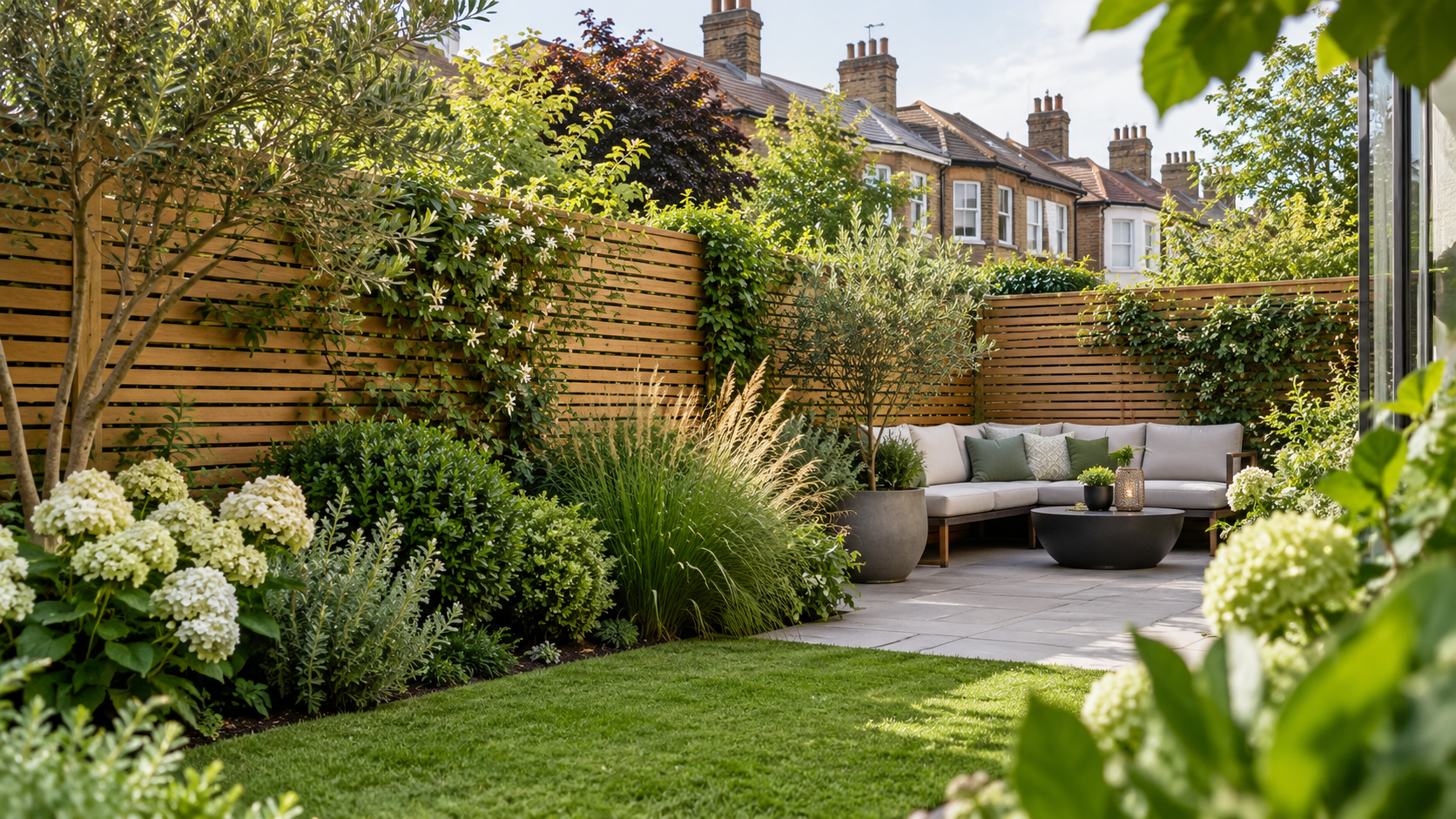
A strong outdoor living space needs structure. The patio provides the practical surface for dining, seating and entertaining. The garden room provides flexible covered space. The water feature adds atmosphere. Planting brings softness and seasonal change.
When these elements are planned separately, the garden can feel disjointed. The patio may be too small. The garden room may block the best view. The water feature may sit in the wrong place. The planting may not soften the hard materials enough.
When they are planned together, the garden becomes more intuitive to use. You know where to sit. You know how to move through the space. The garden room feels inviting. The water feature can be enjoyed from the house, the patio and the garden room.
For Mill Hill homeowners, this is especially important because outdoor space should support real family life. A garden needs to work on a sunny weekend, after work in the evening and during quieter months when structure matters more than flowers.
Materials That Make a Garden Feel Premium and Last Longer
Material choice has a major effect on the quality of a finished garden. A premium outdoor space is not only about appearance. It is about how the patio handles wet weather, how the garden room sits within the landscape, how the edging performs and how the water feature ages.
Porcelain paving can offer a clean and contemporary finish. Natural stone can bring character and texture. Timber can add warmth to garden rooms, screens and borders. Gravel can work well for informal seating areas or transitions. Sleepers and masonry can help create raised beds that define planting and soften the edges of hard landscaping.
The goal is not to use too many materials. In most London gardens, restraint works best. A simple palette often creates a more elegant result than a garden filled with competing finishes.
A horticultural specialist at Reformed Gardens puts it clearly, “The materials need to support the design, not fight it. When paving, planting, fencing and garden features feel connected, the whole garden becomes calmer and more refined.”
Practical Lessons from a Recent Reformed Gardens Transformation
Reformed Gardens recently transformed Mr Khan’s garden in East Finchley. The original space had an uneven lawn and a cluttered base, which made the garden feel tired and difficult to use.
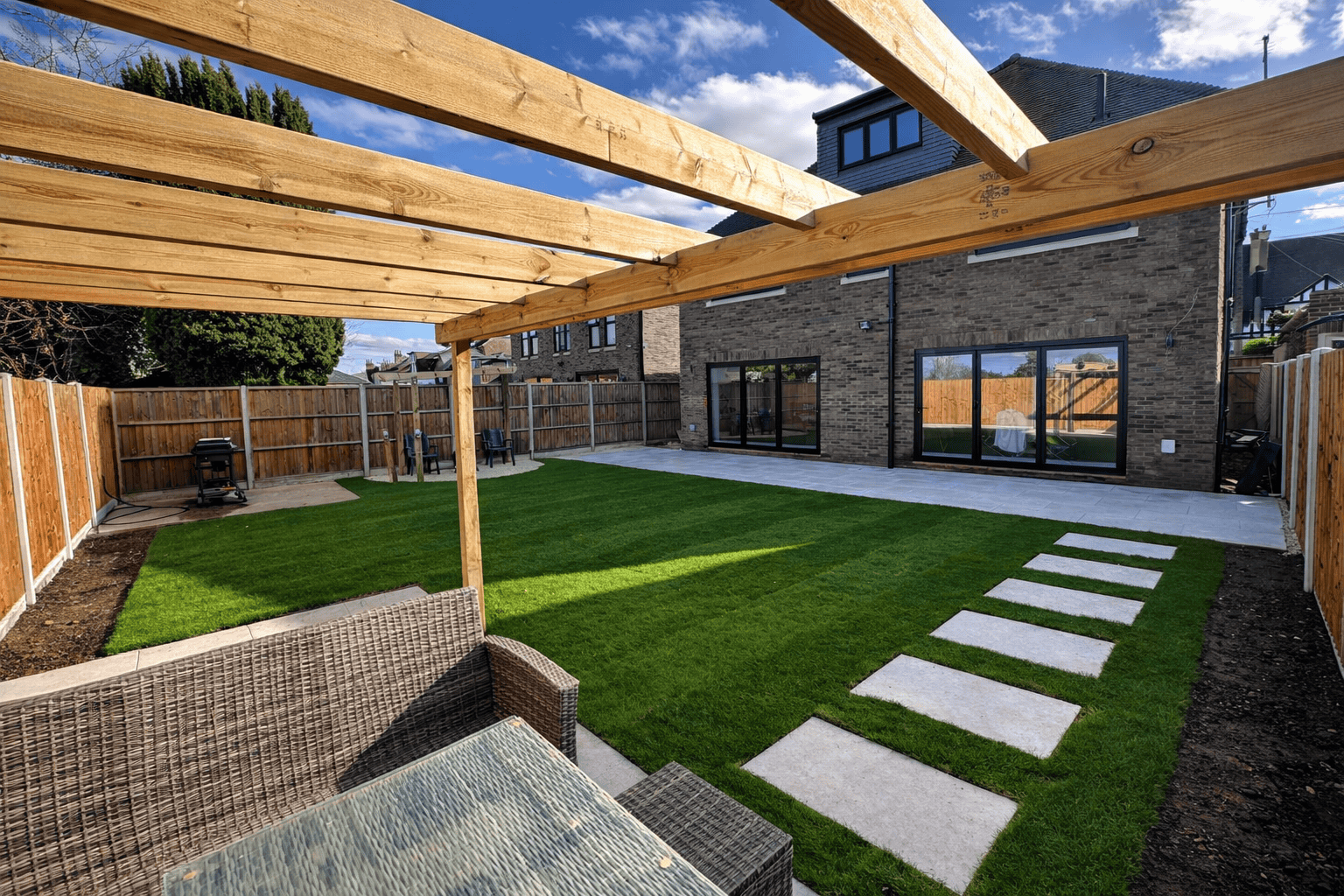
The team levelled the area, installed fresh turf, created clean edging, added new feather edge fencing and formed a gravel seating area. The project was completed in a week and finished with a sleeper border and a crisp striped lawn ready for summer.
The result was not overcomplicated. It worked because the basic structure was improved properly. Levels were corrected. Edges were made clear. A seating area was introduced. The lawn became neat and usable. The whole garden felt more ordered.
Mr Khan described Reformed Gardens as “very professional at their work”.
This project is a useful example for anyone considering garden rooms or water features in Mill Hill. Before adding premium features, the garden needs a proper foundation. Levels, layout, access, boundaries, drainage and seating areas all need to be considered. A beautiful garden room will not solve a poorly planned garden. A water feature will not feel right if the surrounding space is awkward.
You can view more completed work on Projects.
Budgeting for Garden Rooms and Water Features
Budgeting should start with the condition of the existing garden. The cost of a transformation can depend on access, excavation, waste removal, foundations, drainage, electrics, paving, planting and finishing details.
For a garden room, the key considerations include base preparation, insulation, power, lighting, access and exterior finish. For a water feature, the important details include size, pump system, filtration, lining, surrounding materials and maintenance access.
A clear scope of works helps avoid surprises. It also helps the client understand where the investment is going. In many cases, the most important costs are the ones that are not immediately visible, such as preparation, levelling, drainage and structural support.
This is why Reformed Gardens places emphasis on consultation, planning and communication. A good garden transformation should feel organised from the first conversation through to completion.
Maintenance and Seasonal Performance in London
Even a low maintenance garden still needs care. This is especially true when the design includes patios, garden rooms, water features and planting.
Patios may need seasonal cleaning to remove algae and general dirt. Garden rooms need external checks and occasional cleaning. Water features need pump checks, water quality care and removal of leaves or debris. Planting needs watering, pruning and attention as it establishes.
London weather also matters. Wet winters, shaded gardens, clay soils and dense planting can all affect how outdoor spaces perform. A garden that looks excellent in May should still feel structured in November. This is why strong layout, durable materials and ongoing maintenance support are so important.
Reformed Gardens supports clients beyond the initial build by helping protect the long term look and usability of the garden. That matters because a successful garden should improve over time, not decline after the first season.
What Makes a Garden Transformation Succeed in London
The strongest garden transformations are not driven by trends. They are driven by process.
A successful garden room needs a proper relationship with the house and garden. A successful water feature needs the right scale, sound and position. A successful patio needs good levels, durable materials and enough space to use comfortably.
In London, every square metre matters. That means the design must be practical, not just attractive. It must consider how people live, how the garden changes through the seasons and how much maintenance the client realistically wants to manage.
Reformed Gardens stands out because it combines creative design with practical build delivery. The team listens to the client’s vision, plans the garden carefully, chooses materials with longevity in mind and delivers the work with attention to detail.
For more ideas and seasonal guidance, explore Read more blogs.
FAQ
Are garden rooms a good choice for Mill Hill homes?
Yes. A garden room can add flexible space for working, relaxing, exercising or hosting guests. It works best when it is designed as part of the wider garden layout.
What type of water feature suits a London garden?
The right water feature depends on the size and style of the garden. Compact fountains, reflective features and small ponds can all work well when they are properly scaled and positioned.
Do patios and garden rooms need to be designed together?
Yes. Designing them together usually creates a better result. The patio can connect the house, seating area and garden room, making the whole outdoor space easier to use.
How much maintenance does a water feature need?
Maintenance depends on the type of feature. Simple fountains are usually easier to maintain than larger ponds, but all water features need occasional cleaning and pump checks.
Why choose Reformed Gardens for an outdoor living project?
Reformed Gardens combines design knowledge, practical landscaping experience, sustainable thinking and personalised service. This helps clients achieve gardens that look refined, function well and remain enjoyable over time.