Spring is often the point when a garden starts to reveal its potential again. In Finchley, that usually means homeowners begin noticing the same familiar issues, a patio that feels tired, a seating area that lacks privacy, or a layout that never quite worked for everyday use. What should feel like an extension of the home can end up feeling exposed, disconnected, and underused.
The strongest garden transformations do not happen because one material looks fashionable or because a single feature is added. They succeed because the whole space is planned properly. A patio needs to support how the garden will be lived in, and screening needs to create comfort without making the space feel closed in. When those decisions are made together, the result is a garden that feels balanced, elegant, and genuinely useful.
Patio Ideas Finchley
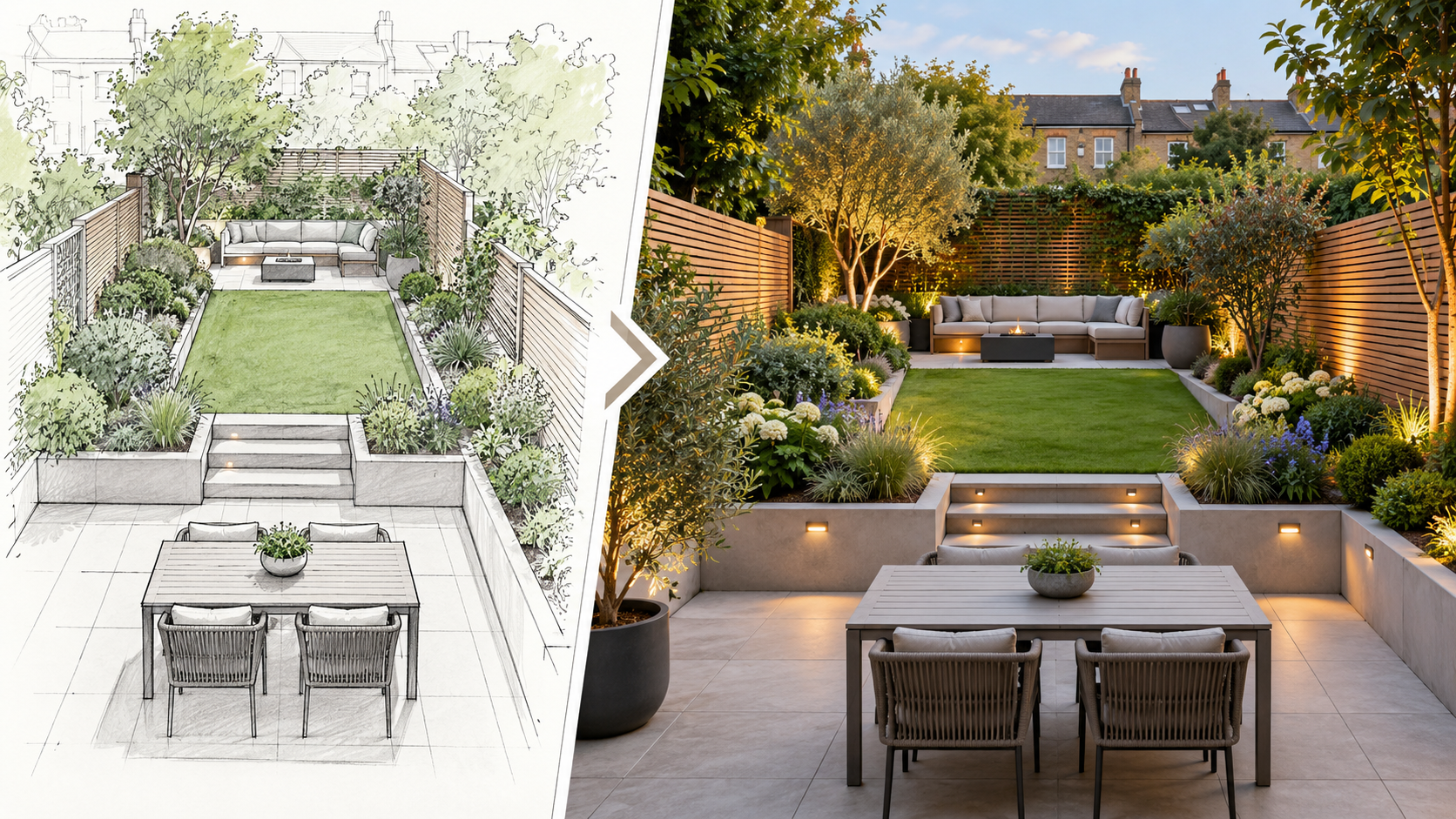
A patio should never be treated as just a paved area outside the back door. In a successful Finchley garden, it becomes the anchor point for outdoor living. It sets the tone for the whole layout and creates a clear place for dining, relaxing, hosting, or simply enjoying the garden during lighter evenings.
The best patio ideas start with use. A family who wants space for outdoor meals needs something different from a homeowner who wants a quiet seating corner with planting around it. In both cases, proportion matters. Too small, and the patio feels awkward. Too large, and it can dominate the garden and feel stark. The right design creates enough space to move comfortably while still allowing the planting and wider layout to breathe.
Position is just as important. Many patios sit directly against the house, which often makes sense, but that does not guarantee a successful result. The orientation, sunlight, drainage, circulation, and visual connection to the rest of the garden all affect how inviting the space feels. A good patio should lead naturally into the garden rather than stopping it.
As one Reformed Gardens head landscaper puts it, “A patio works best when it feels like an outdoor room rather than just a hard surface. The layout, privacy, and material palette all need to work together so the space feels comfortable, usable, and connected to the rest of the garden.”
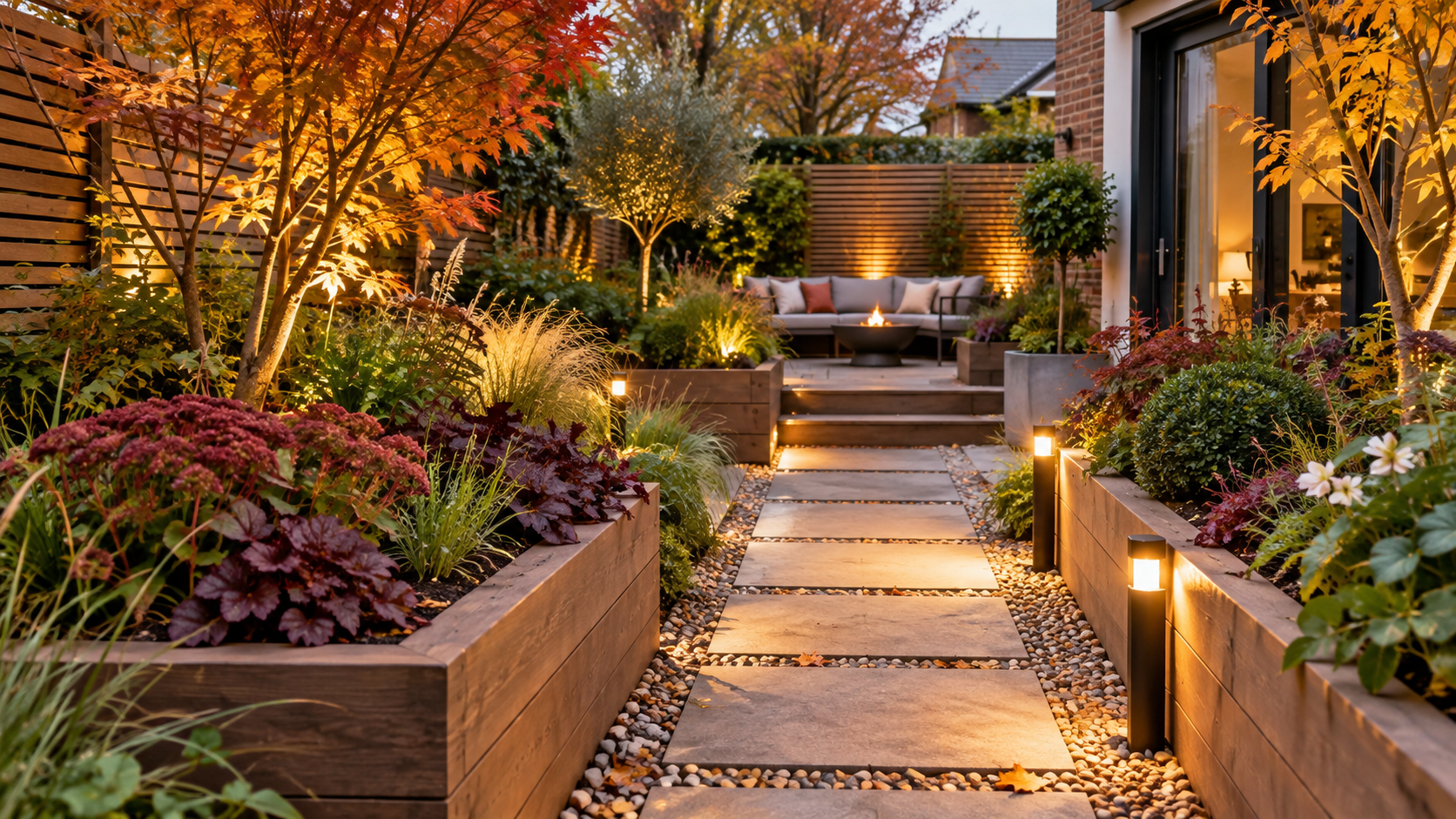
For spring makeovers in Finchley, this often means refreshing both the structure and the finish of the space. Clean edges, well chosen paving, and stronger transitions into planting beds can make a dramatic difference even before furniture is added. The effect is even better when the patio has a clear relationship with screening and soft landscaping.
Why Screening Matters in Finchley Gardens
Privacy is one of the most common pressure points in London gardens. In Finchley, neighbouring windows, close boundaries, and regular foot traffic can make an outdoor seating area feel more exposed than relaxing. Even a beautifully finished patio can remain underused if people do not feel comfortable spending time there.
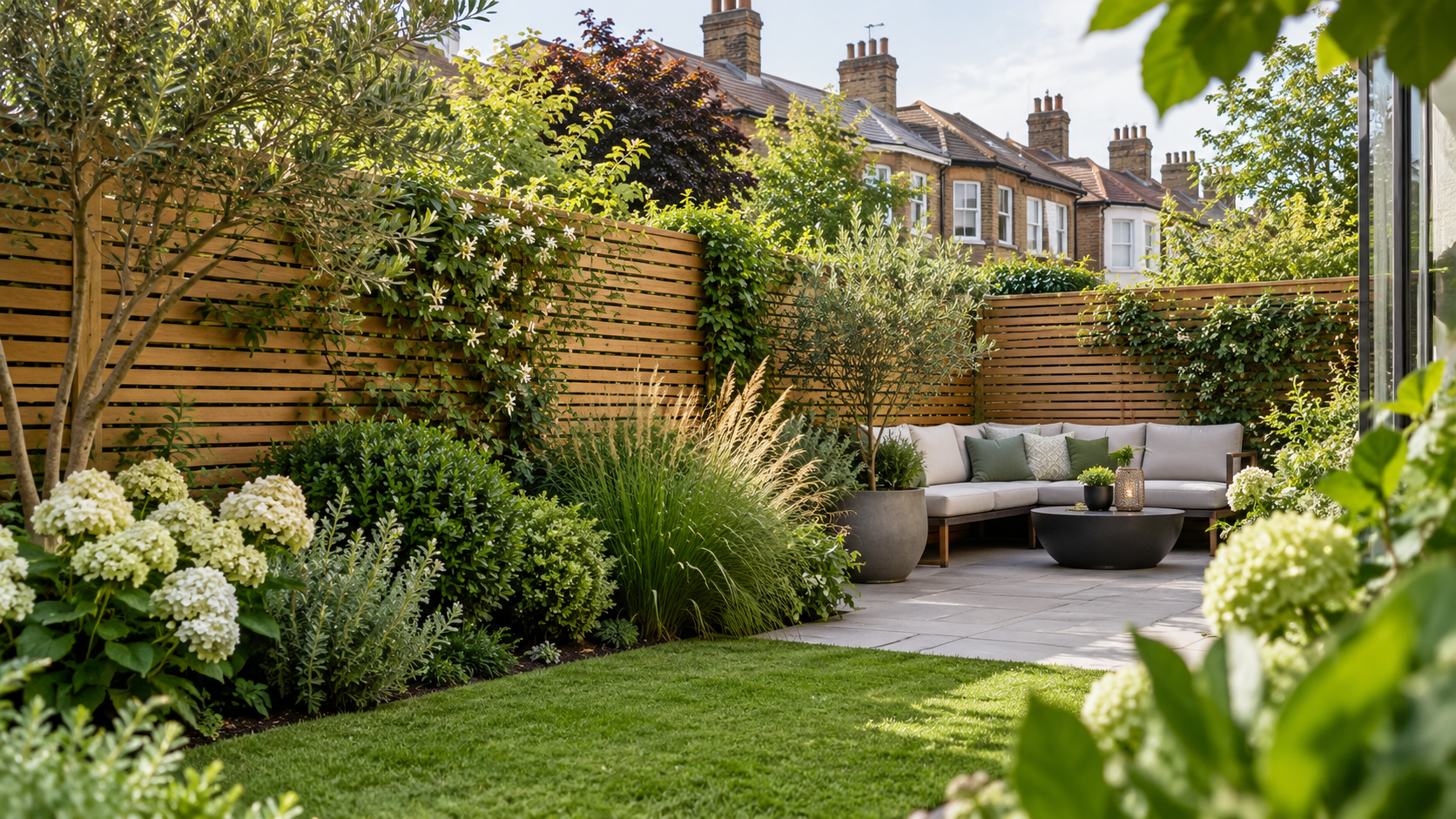
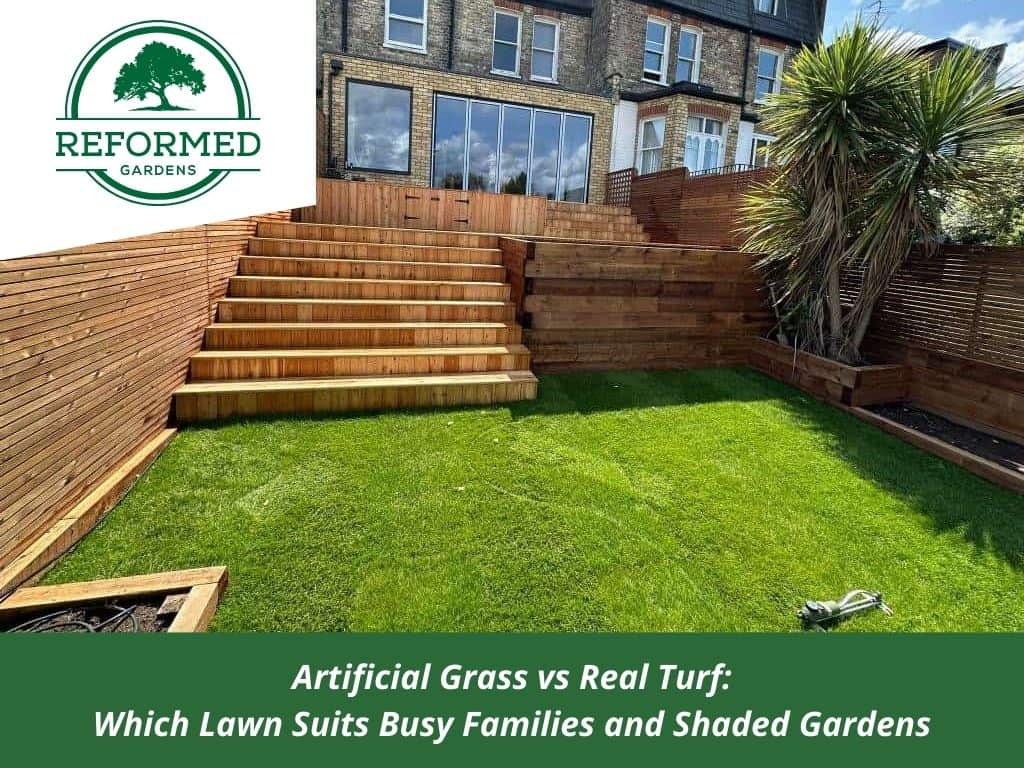
Good screening solves that problem in a subtle way. It does not need to block every angle or turn the garden into an enclosed box. Instead, it should protect the main living area, soften the boundaries, and make the space feel settled. Done properly, screening adds both function and style.
That means thinking beyond simple fence panels. Slatted timber, trellis with climbers, raised planters, and layered planting can all help shape privacy while keeping the garden visually light. In many Finchley gardens, the most successful approach is a combination of these elements rather than relying on one alone.
A horticultural specialist at Reformed Gardens explains it simply: “The goal is not just to hide the neighbours. It is to make the garden feel calmer, softer, and more comfortable to spend time in from the first warm days of spring right through summer.”
Screening Ideas Finchley Gardens
The most effective screening ideas begin with the part of the garden that matters most, usually the main seating or dining area. Rather than trying to treat every edge equally, it is often better to protect the places where people actually sit. This keeps the design efficient and avoids unnecessary heaviness.
A few practical approaches work especially well:
- Slatted timber screening for a modern and architectural look that still allows light and airflow.
- Trellis with climbers to soften boundaries and bring in a greener, more seasonal feel.
- Raised planters to create structure, privacy, and planting space close to the patio.
- Layered boundaries that combine fencing, planting, and screening rather than relying on a single flat surface.
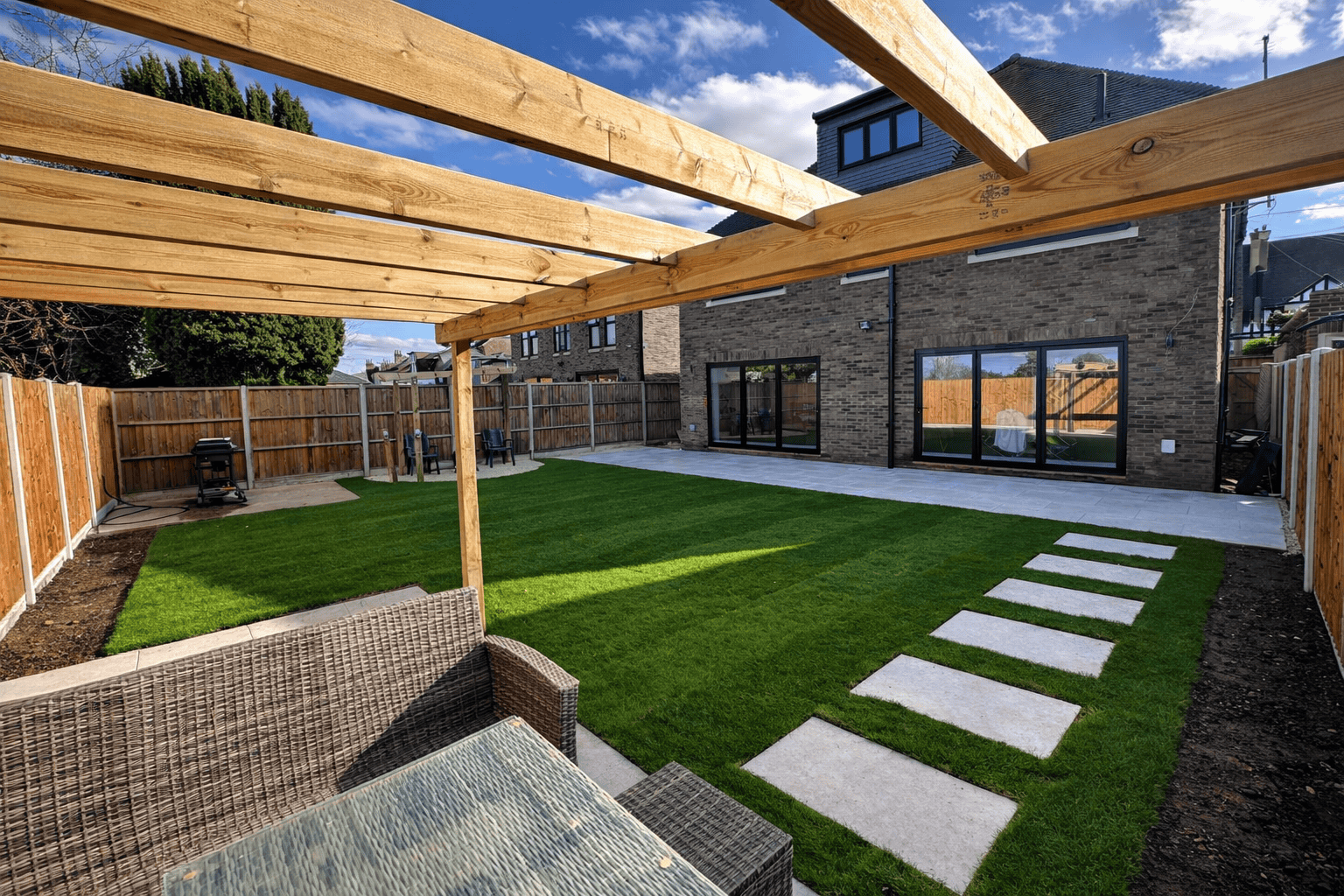
The choice of material should also match the overall garden style. Natural stone or porcelain paving can create a strong foundation for a polished outdoor living area. Timber screening can then warm the scheme visually, while consistent tones across edging, fencing, and paving help everything feel intentional. This is where many average projects fall short. They solve one issue, such as privacy, but fail to create a coherent garden.
Planning the Patio and Screening Together
The clearest opinion on what makes a London garden transformation succeed is this: patio and screening should never be designed separately. They affect one another too much. A beautiful patio without privacy can feel exposed. Strong screening without a good layout can feel forced. The best result comes when both are planned as one joined scheme.
That includes practical matters as much as aesthetics. Levels need to be correct. Drainage needs to be considered early. Access for materials and installation can affect costs. The position of planting beds, paths, and edging all influence the final finish. Homeowners who address these points at the start usually avoid the kind of changes and surprise costs that appear halfway through a build.
At Reformed Gardens, careful planning is central to delivery. Our work ranges from smaller upgrades to complete bespoke transformations, and the same principle applies every time, the garden must function well before it can look exceptional.
A good example is the recent East Finchley garden transformation for Mr Khan. The original garden had an uneven lawn and a cluttered base that limited how the space could be enjoyed. Reformed Gardens turned it into a neat, level garden with fresh turf, clean edging, new feather edge fencing, a gravel seating area, and a sleeper border. The whole project was completed in a week, leaving a crisp striped lawn ready for summer. The client described the team as “very professional at their work”. That kind of outcome comes from combining practical build knowledge with a clear design vision.
Materials, Maintenance, and Long Term Value
A stylish spring garden should still perform well by late summer and continue to look good beyond the first season. That is why materials matter. Cheap choices can quickly show wear, while better quality paving, edging, timber, and planting layouts usually reward homeowners over time.
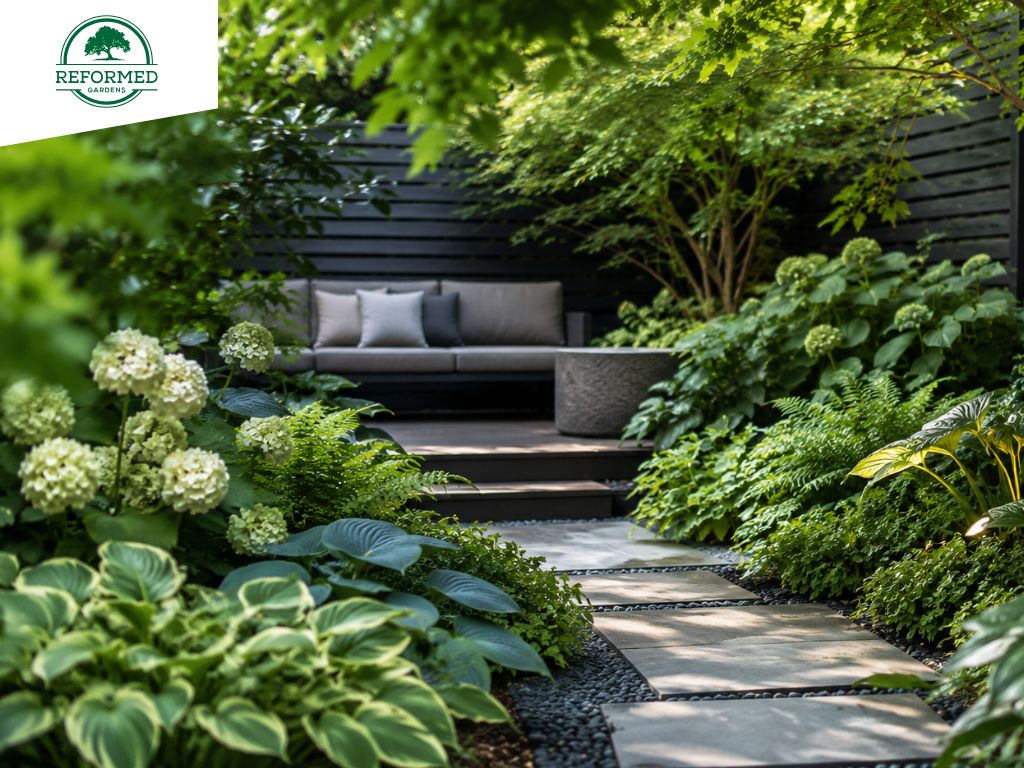
Reformed Gardens also places strong emphasis on sustainable choices and long term usability. The ideas shown in our green landscaping content reflect that approach, using durable materials, biodiversity friendly planting, and manageable maintenance routines. A garden should not only look refined when finished, it should also remain enjoyable and realistic to care for.
This is where aftercare becomes a real advantage. Ongoing support helps protect the quality of the space, whether that means lawn care, planting guidance, or simple seasonal upkeep. For many London homeowners, that support is what keeps a spring makeover looking successful long after the initial installation.
Final Thoughts
The best patio ideas Finchley homeowners can invest in are not the most complicated. They are the ones that respond properly to how the garden is used, how privacy is created, and how the space will be maintained. Good design is not about adding more. It is about making better decisions, early enough, and building them properly.
If your patio feels disconnected, exposed, or simply underwhelming, spring is the right time to rethink it. With the right layout, screening, materials, and planting, a Finchley garden can become a stylish outdoor living space that feels calm, practical, and ready to enjoy.
FAQ
What is the first step in improving a patio and screening layout?
The first step is usually a site visit. This helps assess levels, privacy concerns, drainage, access, and the best position for seating and screening features.
What type of screening works best for Finchley gardens?
That depends on the property and the level of privacy needed, but slatted timber, trellis with climbers, and raised planted screening are all strong options.
Can a small patio still feel like an outdoor living space?
Yes. With the right proportions, clean edges, and thoughtful planting or screening around it, even a compact patio can feel comfortable and refined.
How can I avoid unexpected costs during a garden project?
Confirm layout details, drainage requirements, access constraints, and material selections early. Clear planning usually leads to clearer pricing and smoother delivery.
Why is maintenance important after a garden transformation?
Maintenance protects the finish and usability of the space. Regular care helps paving, lawns, borders, and screening continue to look strong and work well over time.