Small gardens in Mill Hill can do much more than look tidy. With the right layout, planting, and materials, even a compact space can feel calm, private, and full of seasonal life. April is one of the best times to plan this kind of transformation. The garden is waking up, pollinators are returning, and homeowners start thinking seriously about how they want to use their outdoor space through spring and summer.
The mistake many people make is treating privacy, planting, and paving as separate decisions. In London gardens, especially smaller ones, these elements need to work together from the beginning. A successful design feels intentional. It gives you somewhere to sit, somewhere for greenery to soften the space, and enough structure to keep the garden attractive throughout the year.
At Reformed Gardens, the focus is always on building gardens that are both beautiful and practical. That means understanding how a client wants to live in the space, then shaping a garden that looks polished while still being easy to use and maintain. You can learn more about the team on the About Us page.
Why Small Garden Design in Mill Hill Needs a Clear Plan
Many Mill Hill gardens face the same pressures. They are often overlooked, narrow, or bordered by fencing that feels too harsh. Homeowners want privacy, but they do not want the garden to feel boxed in. They want more planting, but they also need a space that stays neat and usable.
This is why planning matters so much. A small garden works best when every element has a job. The seating area should feel sheltered. The borders should soften the edges and create depth. The materials should make the garden feel cohesive rather than busy.
As one of the internal design specialists at Reformed Gardens puts it, “A compact garden only feels generous when the layout is doing the heavy lifting. Good design creates order first, then beauty follows naturally.”
That principle is especially relevant in April. Early spring is the moment when structure and planting choices begin to show their value. Fresh growth gives life to the garden, while permanent features such as paving, edging, fencing, and raised beds define how the space will perform for the rest of the year.
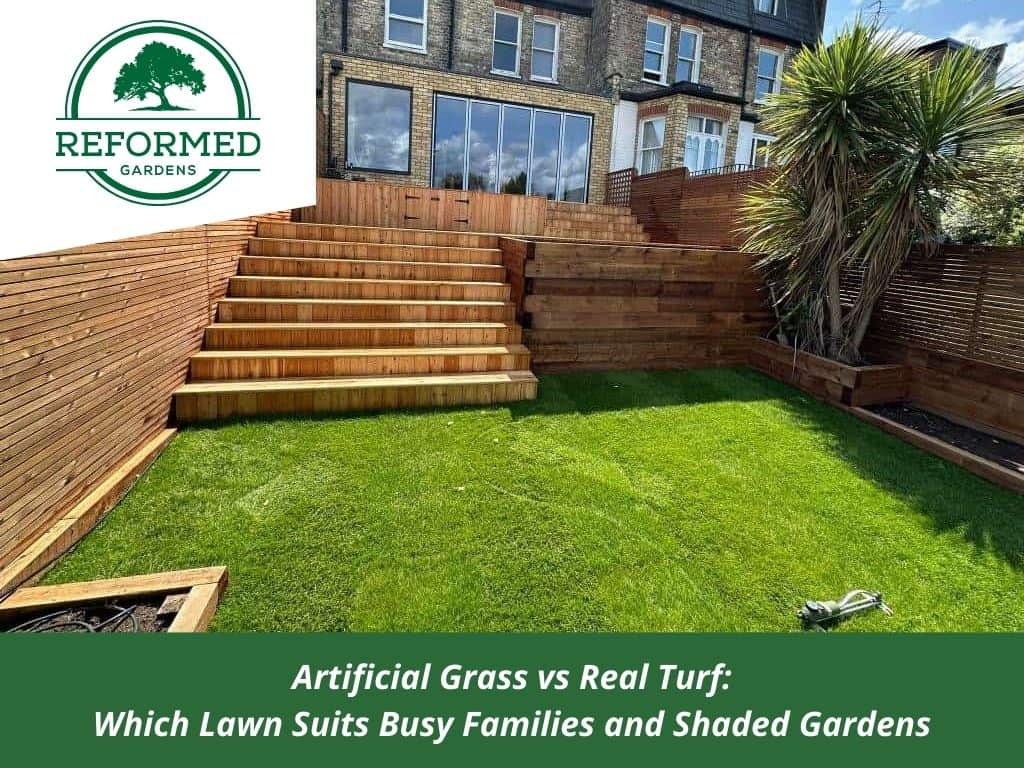
Small Garden Ideas Mill Hill Homeowners Can Actually Use
The best small garden ideas Mill Hill homeowners can apply are usually the simplest. Rather than forcing too many features into the space, focus on clarity.
Create simple zones
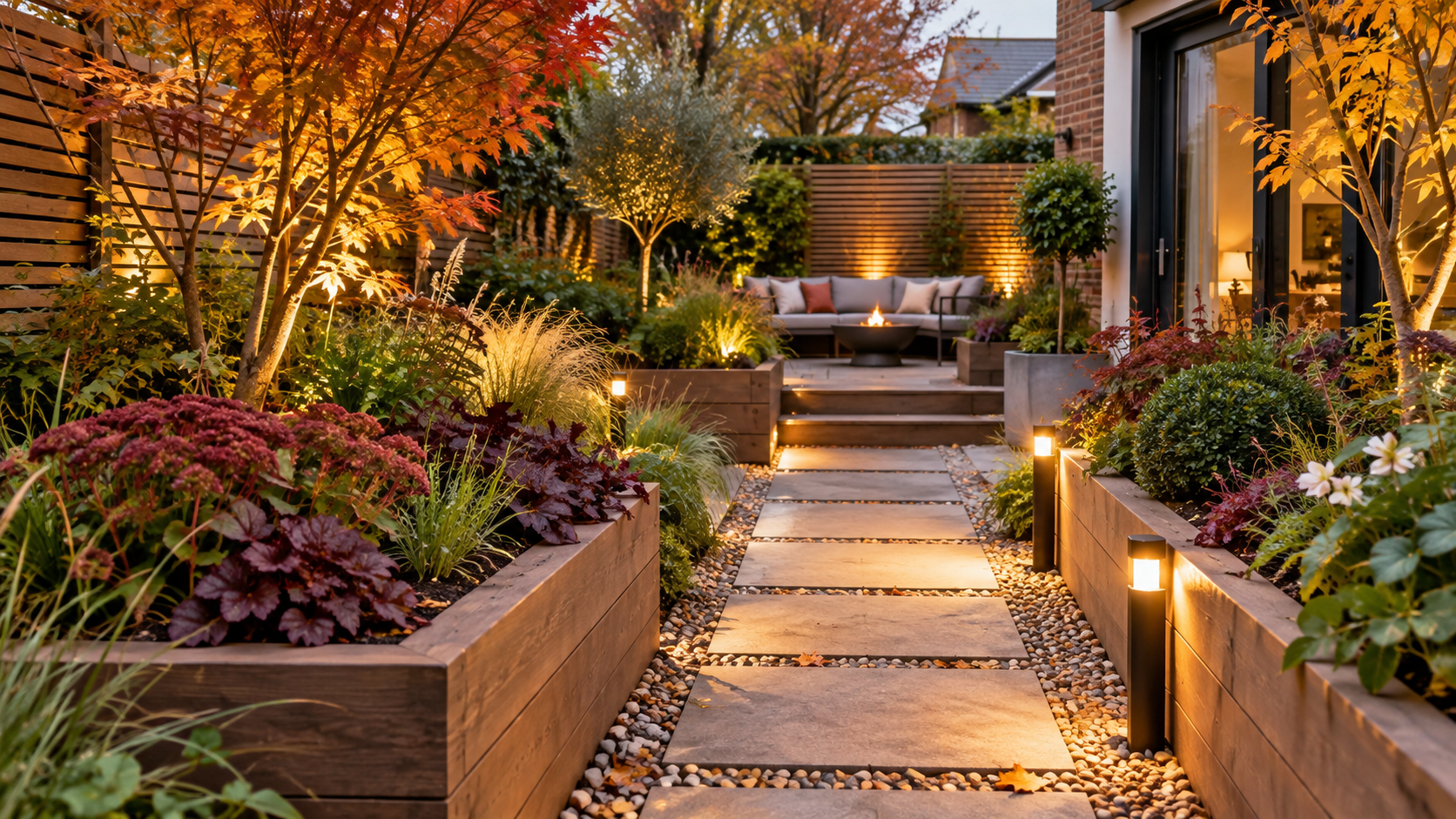
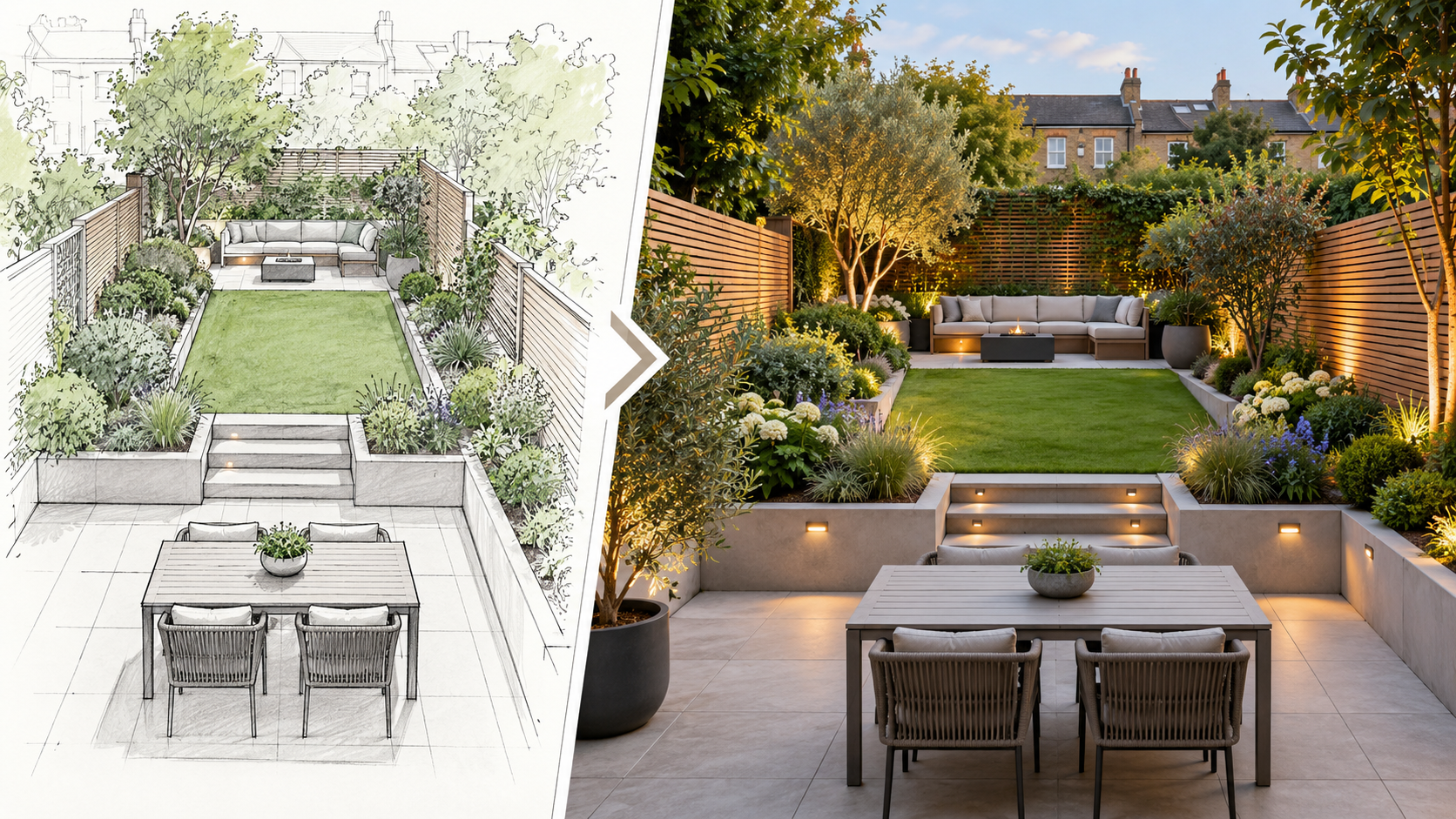
A small garden does not need many zones, but it does need clear ones. A paved or gravel seating area near the house, a planted border around the edges, and a focal point at the back can make the whole garden feel longer and more balanced.
This is particularly effective in narrow London gardens. When the eye is drawn forward through the space, the garden feels less restricted.
Build privacy into the design
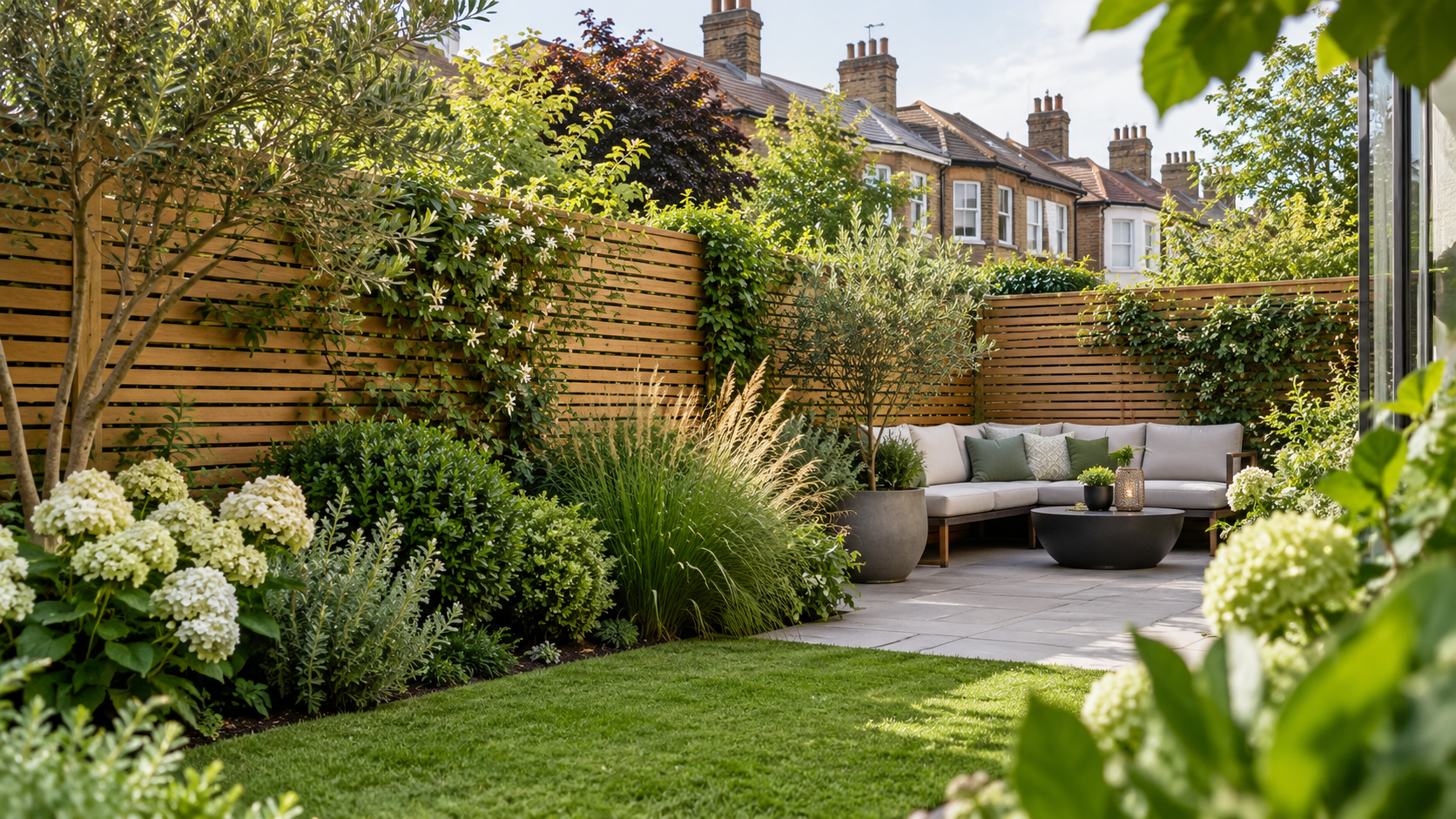
Privacy works best when it is planned as part of the overall garden, not added later as a quick fix. Timber screening, trellis panels with climbers, layered borders, and carefully placed shrubs can all reduce overlooking without cutting out natural light.
Solid fencing has its place, but in a compact garden it can sometimes feel heavy. Partial screening often works better because it filters views while keeping the space visually open.
Keep the materials restrained
One of the strongest design choices in a small space is a limited material palette. Repeating the same paving finish, edging detail, and timber tone creates a sense of calm. Too many textures or colours can make the garden feel cluttered.
For homeowners thinking about private garden design Mill Hill, this is often where the difference between average and premium results becomes clear. Simplicity tends to age better and photograph better.
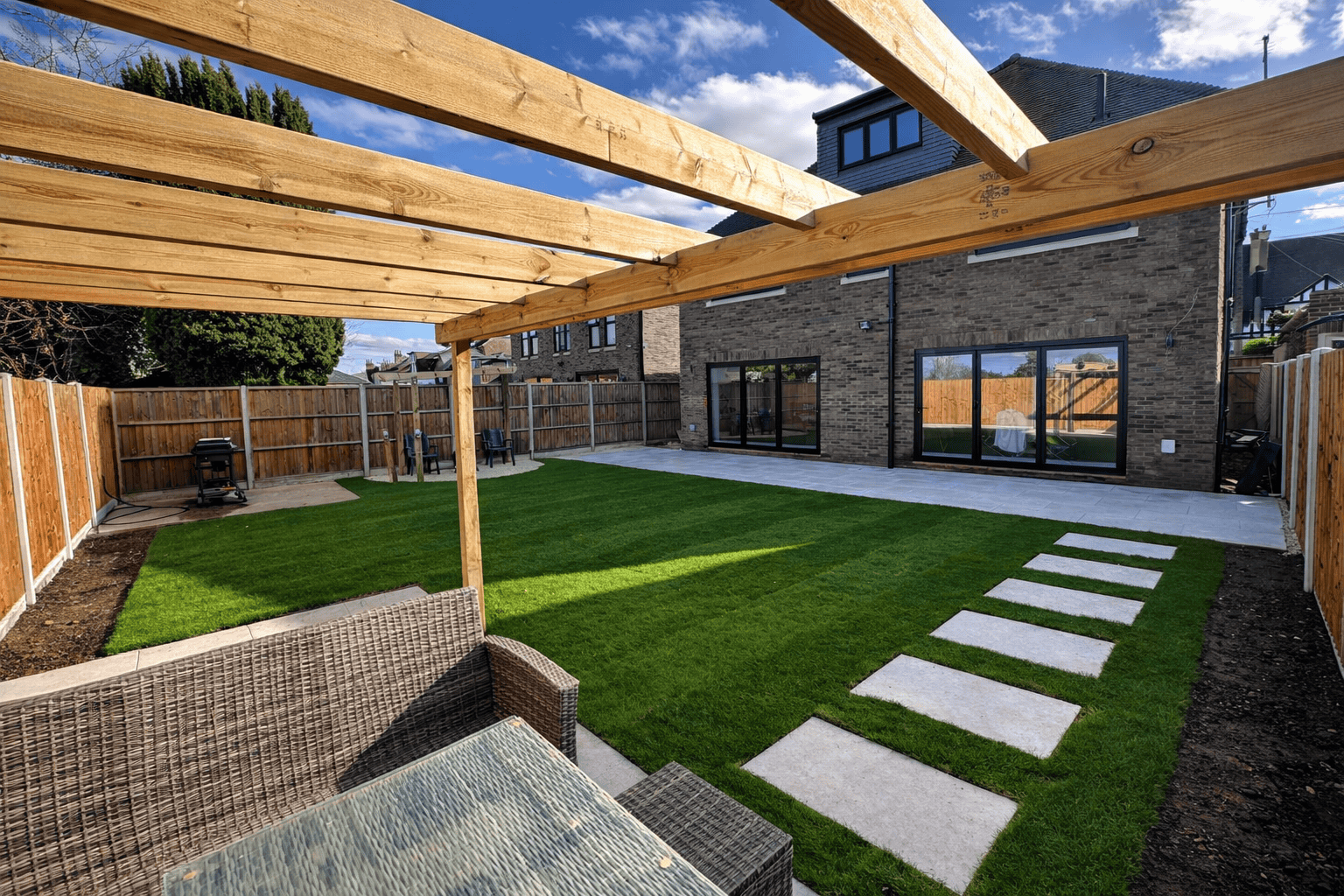
Wildlife Friendly Garden Mill Hill, Without Losing Style
A wildlife friendly garden Mill Hill homeowners enjoy does not need to look wild in the untidy sense. In fact, the most effective gardens usually combine clean landscaping with thoughtful planting that supports biodiversity.
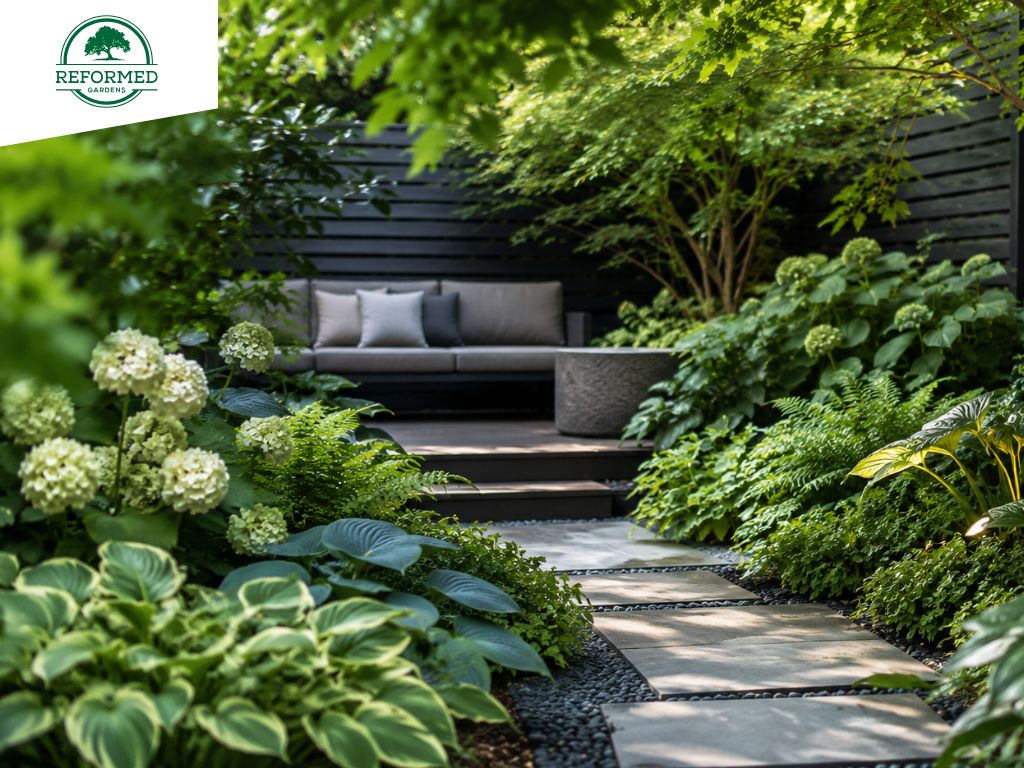
That means using planting for more than decoration. A layered border can provide privacy, structure, and habitat at the same time. Pollinator friendly flowers bring movement and colour. Evergreen shrubs help the garden feel settled even outside the main flowering season.
A horticultural specialist at Reformed Gardens explains it well: “Wildlife friendly planting works best when it is designed with discipline. You want a garden that feels alive, not overgrown.”
Planting ideas that work well in April
April is ideal for introducing a softer, more ecological approach because the garden is entering active growth. Good options include:
- Spring flowering plants that support bees and early pollinators
- Climbers that soften fences and screens
- Evergreen structure to hold the design together year round
- Layered planting with low, medium, and tall species for depth
This approach supports the wider idea of a pollinator friendly garden London homeowners can enjoy every day, rather than a space that feels designed only for visual effect.
Privacy, Layout, and Wildlife Can Work Together
Homeowners often assume they must choose between privacy and biodiversity, but that is not true. The most successful gardens do both.
For example, a boundary with timber screening and climbers can reduce overlooking while adding nectar rich planting. A raised bed can help organise the space while making maintenance easier. Gravel can create a neat seating zone and improve drainage while keeping the finish softer than a fully sealed surface.
In practical terms, this is why garden privacy ideas Mill Hill should always be considered alongside planting and circulation. If the seating area feels exposed, the garden will not be used properly. If the planting has no structure, the space can quickly lose definition.
A Practical Example from East Finchley
A recent East Finchley project shows how much difference a clear process can make. The garden had an uneven lawn, a cluttered base, and lacked a strong overall shape. Reformed Gardens transformed it into a neat, level space with fresh turf, crisp edging, new feather edge fencing, and a gravel seating area. The team completed the work in just one week, finishing with a sleeper border and a striped lawn ready for summer.
What makes this project relevant is not just the visual improvement. It shows how practical build decisions support the finished design. Levelling, edging, fencing, and seating were all resolved together, which gave the garden a much cleaner and more usable result.
The client described Reformed Gardens as “very professional at their work”. That kind of feedback reflects the importance of process as much as appearance. You can see more examples on the Projects page and follow ongoing transformations on Instagram.
Budgeting, Materials, and Long Term Maintenance
Any good garden landscaping Mill Hill project should be judged on how it performs after installation, not just on the day it is finished.
That is why material choice matters. Durable timber, carefully specified gravel, quality turf, strong edging, and sensible planting combinations tend to deliver better long term value. Sustainable choices also matter, especially when they reduce waste, improve drainage, or create a healthier garden ecosystem over time.
Maintenance needs should be discussed early. A homeowner who wants a polished look with minimal effort needs a different planting and layout strategy from someone happy to spend more time gardening. Reformed Gardens places real emphasis on this stage, because ongoing support helps protect the investment and keeps the garden looking as intended.
You can explore broader service options on the Services page, and browse more seasonal ideas in the Blogs section.
Why This Matters in April
April garden design Mill Hill projects have a particular advantage. This is the time when homeowners can see how the garden will come into use for the warmer months, while still making strong decisions on structure, screening, and planting before summer arrives.
It is also the right month to take a more realistic view of what makes a London garden successful. Not gimmicks, and not overcrowded designs. The best results come from clear planning, smart use of space, strong workmanship, and planting that gives the garden life without making it difficult to manage.
FAQ
What is the first step in redesigning a small garden?
Start with a site visit and a proper assessment of the layout, privacy issues, levels, drainage, and sunlight. Without that, it is difficult to make the right design decisions.
Can a small garden still support wildlife?
Yes. Even a compact garden can support birds, bees, and beneficial insects through nectar rich planting, layered greenery, and thoughtful shelter.
How do I create privacy without making the garden dark?
Use a combination of screening and planting rather than relying only on solid barriers. This helps filter views while still allowing light through.
Will a wildlife friendly garden look messy?
Not when it is designed properly. Strong edging, clear zones, and disciplined planting choices keep the garden looking refined.
How can I avoid budget surprises?
Agree the layout, materials, drainage requirements, and finish standards early. Clear scope usually leads to a smoother build.