Table of Contents
Green Landscaping in London: How to Build a Sustainable Garden That Supports Biodiversity
Green landscaping in London brings together smart planting, better drainage, and sustainable materials to create outdoor spaces that look elegant, function well in all seasons, and support a healthier environment.
At Reformed Gardens we deliver garden design and landscaping services across London, including Barnet, Mill Hill, and Muswell Hill, helping homeowners build sustainable gardens that suit modern living while prioritising biodiversity.
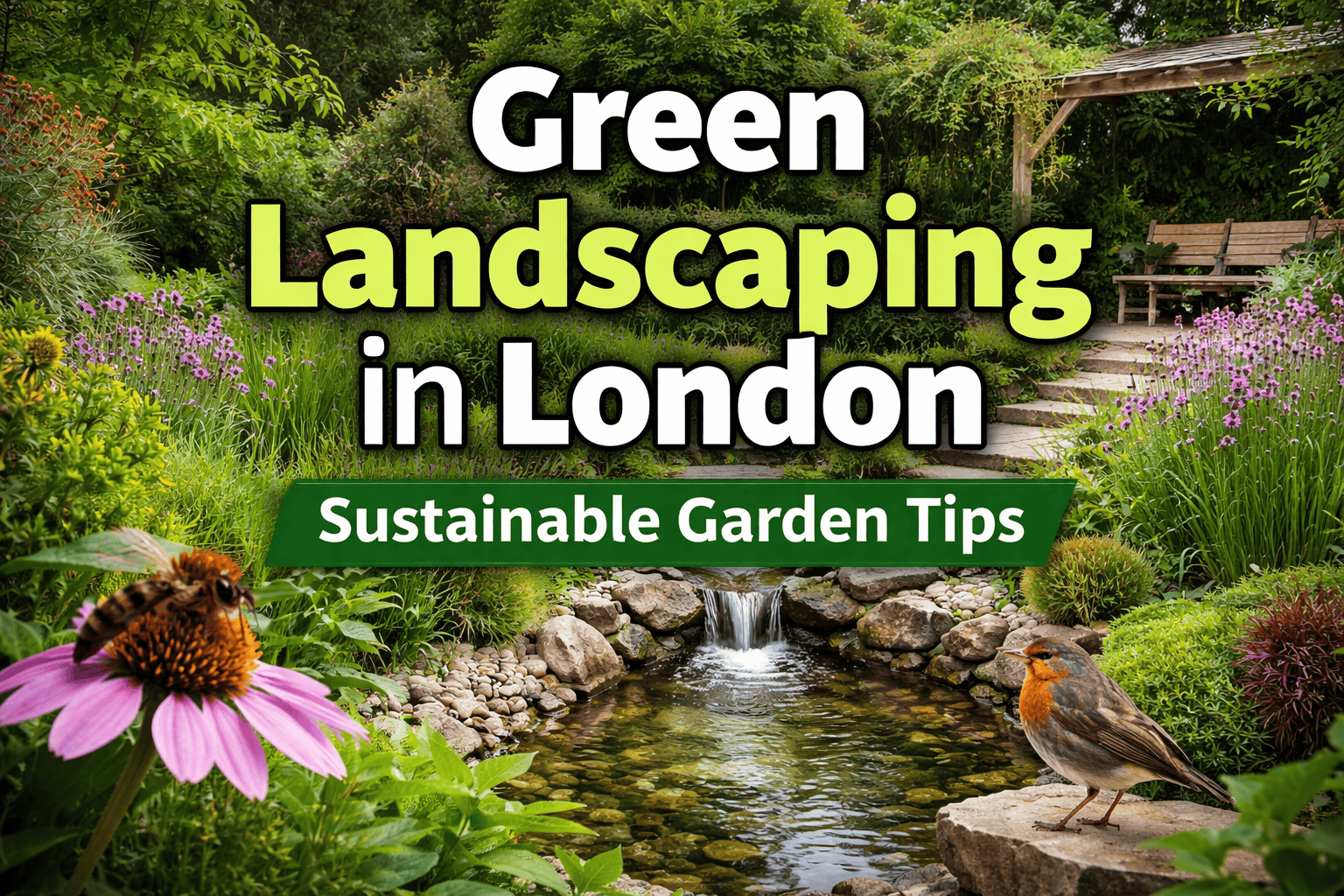
What Is Green Landscaping?
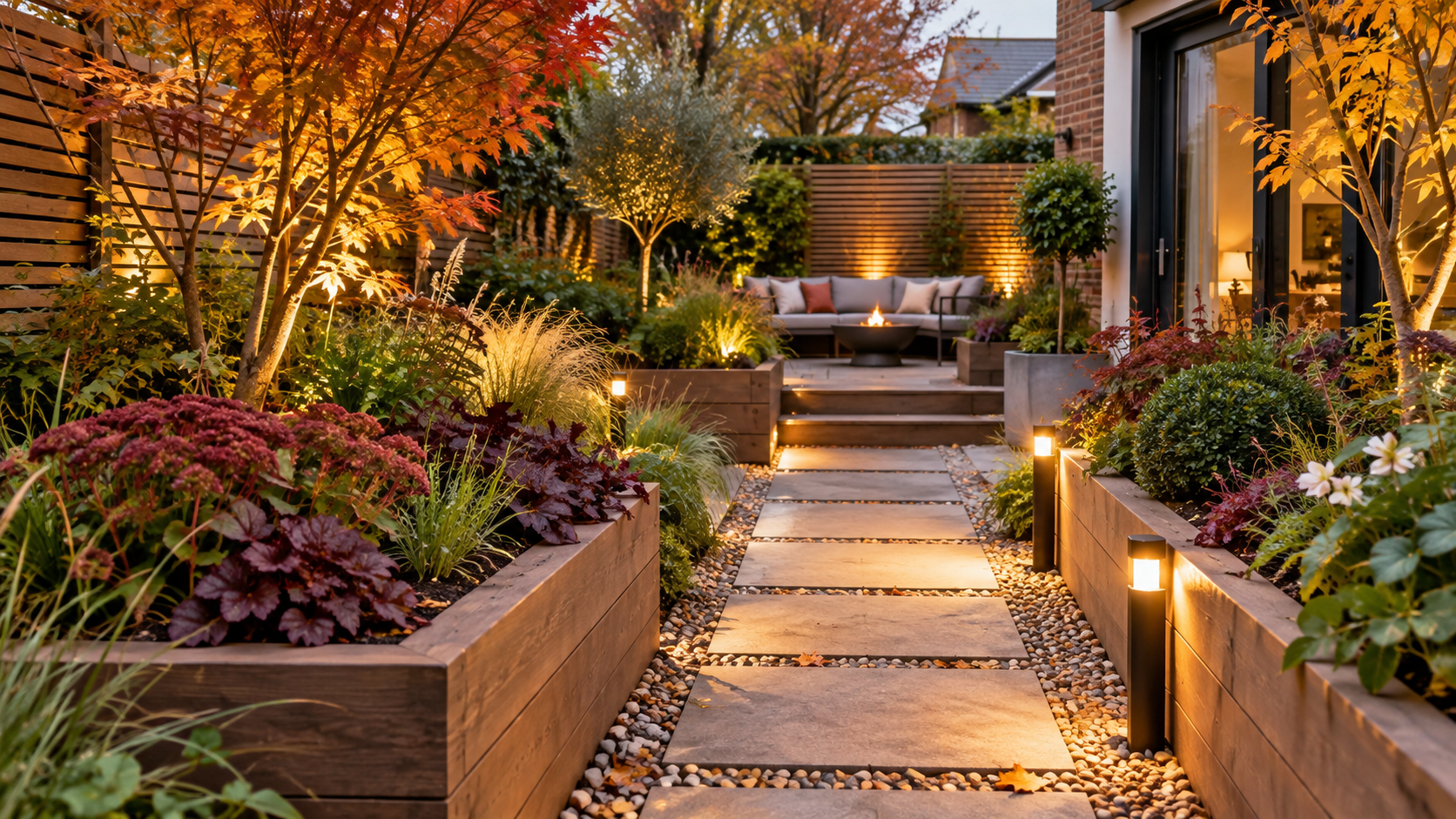
Green landscaping is a way of designing and building gardens that work with nature, not against it. It focuses on sustainability and biodiversity through plant selection, permeable paving, and water-wise techniques, all tailored to London’s climate and urban conditions.
Key Green Landscaping Principles
| Principle | What it means for your garden |
| Biodiversity first | Planting that supports birds, bees, and beneficial insects |
| Better soil health | Building richer soil that holds water and feeds plants naturally |
| Water-wise design | Reducing runoff and making watering more efficient |
| Sustainable materials | Using durable options, recycled materials, and responsible sourcing |
| Long-term resilience | A garden that copes better with heat, heavy rain, and seasonal change |
If you are exploring eco-friendly garden design in London, these principles make the difference between a garden that looks good for one summer and a garden that performs beautifully for years.
Soil and Site Foundations for Sustainable Gardens
A sustainable garden starts beneath your feet. Urban soils are often compacted, low in organic matter, and slow to absorb water. Improving soil health supports stronger planting, reduces watering needs, and helps the garden cope during hot spells.
A Quick Site Check Before You Start
Before choosing plants or paving, take a few minutes to assess the garden:
- Where does the sun hit in the morning and afternoon
- Where does water collect after rain
- Which areas dry out fastest in summer
- Where are the main access routes and seating zones
- Are there shaded corners, windy spots, or sloped areas
This is also where professional garden design services in London can save time and cost, especially when drainage and levels need to be corrected.
Simple Soil Improvements That Make a Big Difference
You do not need complicated products to improve soil. You need consistency.
- Add compost or well-rotted organic matter to borders each year
- Mulch beds with a generous layer of organic mulch to reduce evaporation and suppress weeds
- Avoid over-digging. Light aeration plus top dressing often works better for soil life
- Use plants suited to the soil type, rather than forcing unsuitable plants to survive
Healthy soil is one of the fastest routes to lower maintenance and more resilient planting.
Sustainable Planting That Boosts Biodiversity
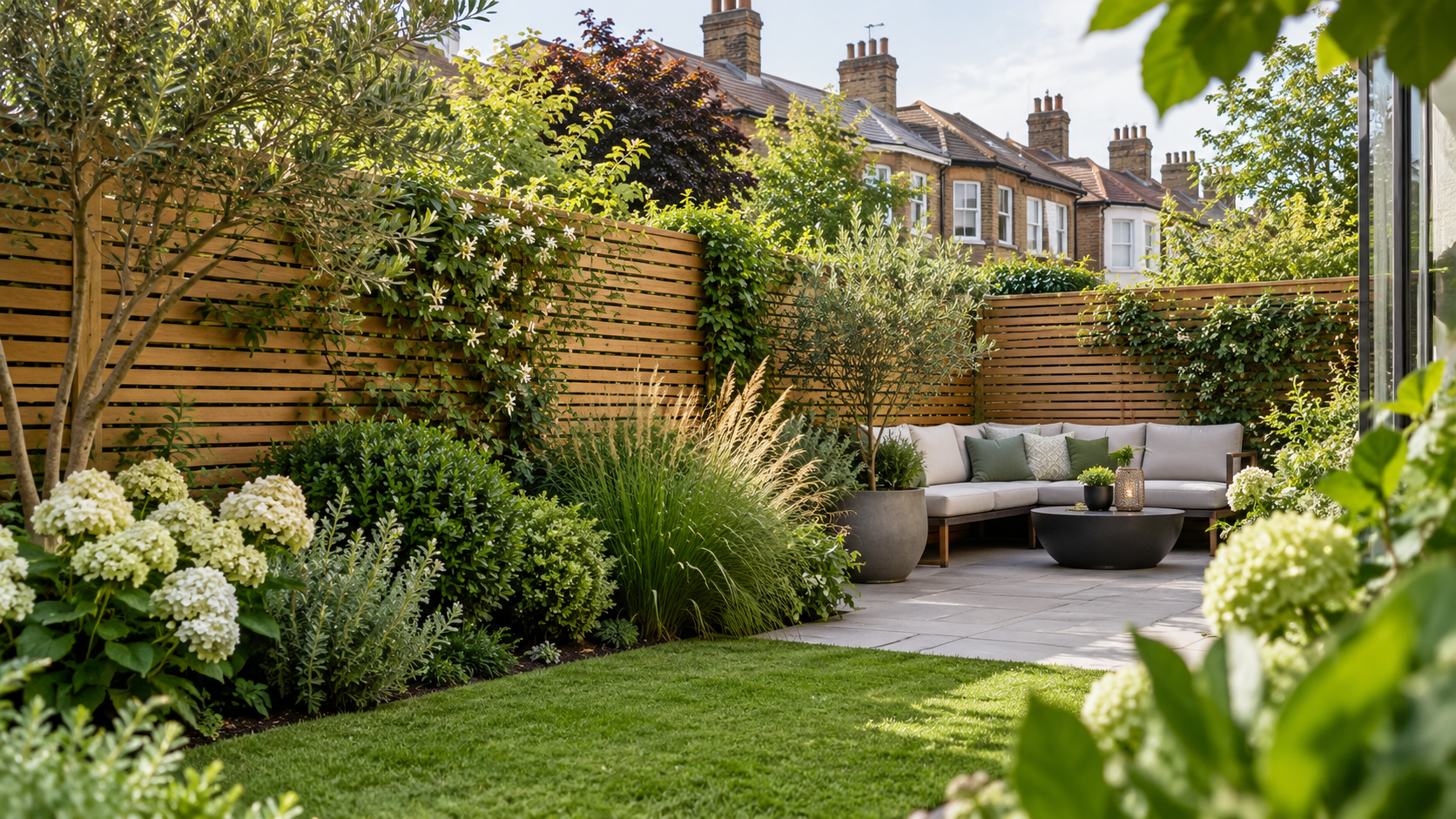
A pollinator-friendly planting scheme in London is not about planting a single wildflower patch and hoping for the best. It is about creating a sequence of food and shelter across the seasons, using a mix of planting layers.
What to Include in a Biodiversity-Friendly Planting Plan
| Planting layer | Why it matters for biodiversity |
| Trees or multi-stem shrubs | Shelter, nesting, shade, and seasonal food sources |
| Shrubs and hedging | Habitat structure and protection for birds and insects |
| Perennials and grasses | Long flowering periods and movement through the seasons |
| Ground cover | Weed suppression, soil protection, and insect shelter |
| Climbers | Vertical habitat and soft screening without heavy structures |
If you want a native plants London garden, include a strong backbone of wildlife-friendly native species, then complement with well chosen non native planting that also supports pollinators. Native heavy planting usually supports more local insect life, which supports birds, and that is where biodiversity really builds.
How to Build a Pollinator-Friendly Planting Scheme
To make planting genuinely wildlife supportive, focus on timing and variety:
- Choose plants that flower at different times, so nectar is available from early spring through late autumn
- Use groups of the same plant rather than single scattered specimens, as pollinators find them more easily
- Include a mix of flower shapes to support different insects
- Leave some seed heads and stems through winter for shelter and food
- Avoid routine pesticide use, as it disrupts beneficial insects and the natural balance
Water Wise Techniques and Drainage for London Gardens
Water management is central to sustainable landscaping in London. Heavy downpours can overwhelm compacted ground, while hotter summers push plants into stress. A water-efficient garden design helps the garden absorb rainfall and reduces reliance on mains water.
Permeable Surfaces and Smarter Drainage
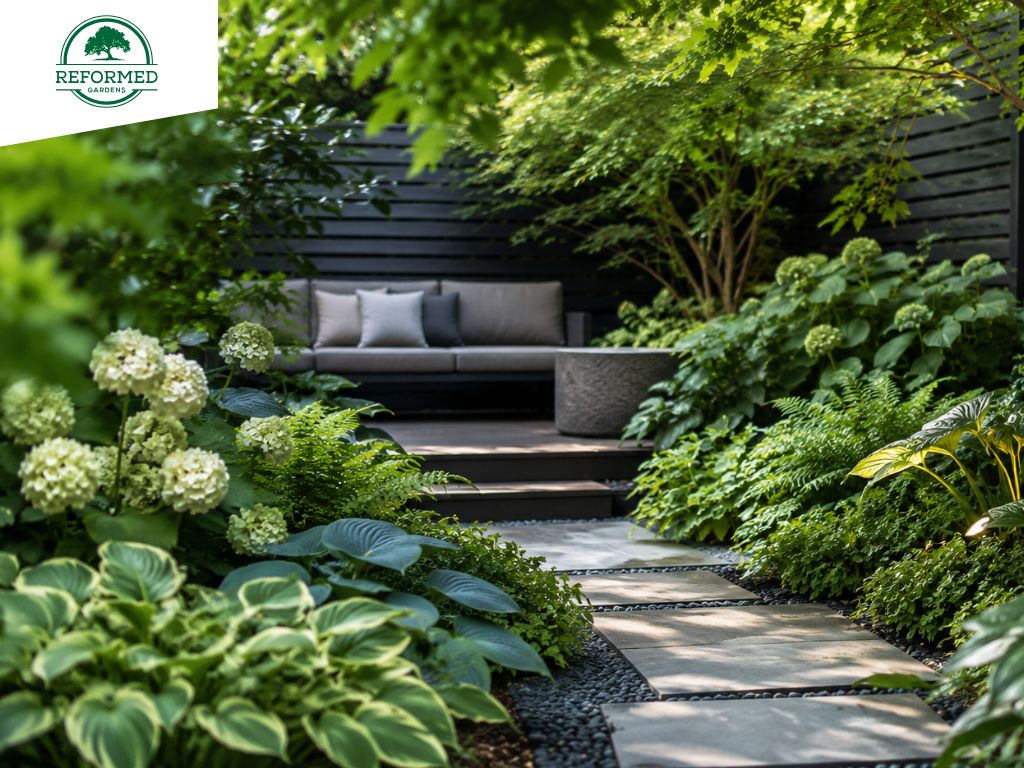
Hard landscaping can support sustainability when it is designed properly. Permeable surfaces allow water to soak through and reduce runoff, which also helps protect planting beds from erosion.
Common approaches include:
-
Permeable paving systems for patios and paths
-
Gravel or resin-bound aggregates, where appropriate
-
Well-designed joints and sub-bases that allow drainage
-
Directing runoff into planted areas rather than straight to drains
Permeable paving is also a practical choice for busy family gardens, particularly where you want clean access without creating a garden that overheats or sheds water too quickly.
Rain Gardens and Rainwater Harvesting
A rain garden is a planted area designed to capture and hold water briefly, then let it filter into the soil naturally. A well-placed rain garden London homeowners often choose can be both functional and visually striking, especially when planted with grasses and perennials that handle wet and dry cycles.
Rainwater harvesting also supports sustainability. Even a simple water butt reduces demand on mains water and helps with establishment watering in summer, which is when new planting needs support most.
Sustainable Materials for Green Landscaping
The materials you choose affect durability, appearance, maintenance, and environmental impact. Sustainable hard landscaping focuses on long life and responsible choices rather than quick fixes.
Common Material Choices and Their Benefits
| Material choice | Sustainable advantage |
| Reclaimed paving or brick | Reduces waste and adds character |
| Durable stone options | Long life, fewer replacements over time |
| Responsibly sourced timber | Better environmental footprint for structures |
| Recycled aggregates | Lower impact sub-base solutions |
| Permeable systems | Supports better drainage and soil moisture |
Low-Maintenance Green Landscaping Tips That Actually Work
Sustainability improves when maintenance becomes simpler and less resource-heavy.
- Mulch annually to reduce weeds and keep soil moisture stable
- Reduce lawn size if it is not essential. Replace edges with planting for biodiversity
- Choose plants that match light conditions, so they thrive without constant attention
- Water deeply but less often during dry spells, rather than light daily watering
- Keep winter structure where possible. Stems and seed heads support wildlife and add texture
- These choices create a garden that stays attractive through the year while supporting biodiversity.
Ready to Transform Your Outdoor Space?
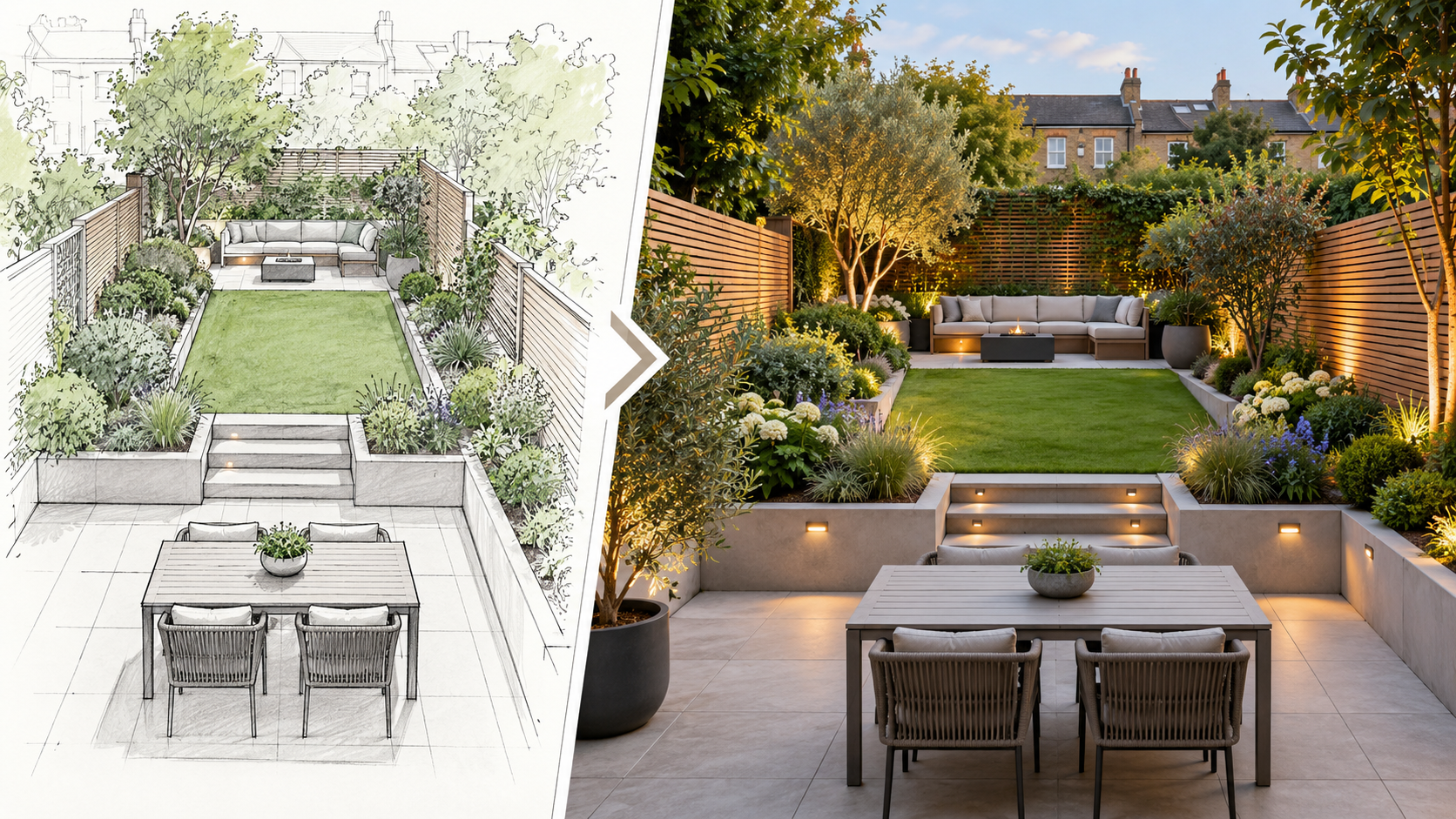
If you are planning green landscaping in London and want a garden that is elegant, resilient, and genuinely sustainable, our team can help. Whether you are upgrading planting, improving drainage, or planning a complete redesign, we combine structure with natural beauty through expert landscaping services and garden design.
At Reformed Gardens, we specialise in garden design and landscaping that harmonises both elements for lasting impact. Whether you want modern garden hard landscaping or lush soft planting, our team can bring your vision to life in Mill Hill, explore our Landscaping Services in Mill Hill for inspiration.
Frequently Asked Questions
What is green landscaping in London?
Green landscaping is a sustainable approach to garden design and construction that prioritises biodiversity, healthier soil, water wise drainage, and low impact materials.
How can I make my garden more sustainable without a full redesign?
Start with soil improvement and mulching, then add biodiversity friendly planting that flowers across seasons. If you change hard surfaces, choose permeable options.
Do I need to use only native plants?
No. A strong native backbone helps biodiversity, but mixing native and wildlife friendly non native plants can still support pollinators and create a more versatile design.
What is a rain garden and do I need one in London?
A rain garden is a planted area that captures rainfall runoff and lets it soak into the soil naturally. It is helpful if your garden has pooling water or runoff from paved areas.
How do permeable surfaces support sustainable gardens?
Permeable surfaces reduce runoff, improve drainage, and help water soak into the ground, which supports plant health and reduces pressure on drains during heavy rain.
Is sustainable landscaping more expensive?
Not always. Some sustainable materials can cost more upfront, but better durability, lower maintenance, and improved resilience often reduce long term costs.
Can I have a low-maintenance garden that still supports biodiversity?
Yes. Use layered planting, mulch, and resilient plant choices suited to your site. A well-planned scheme can be both low maintenance and wildlife supportive.
Do Reformed Gardens cover Barnet, Mill Hill, and Muswell Hill?
Yes. Reformed Gardens provides landscaping and garden design services across London, including Barnet, Mill Hill, and Muswell Hill.
How Reformed Gardens Can Help
We offer comprehensive landscaping services in London, from initial design to full construction. Our experienced team blends creativity with technical expertise to deliver gardens that reflect your lifestyle.
Whether you’re based in Barnet, Mill Hill, or Muswell Hill, our landscape gardeners provide solutions tailored to your space and preferences.
Related Blog: How to Blend Functionality and Aesthetics in Garden Layouts